 Andy Devaney
There comes a moment when a golf destination stops being the exciting new thing and starts becoming something far more valuable: dependable. Central Vietnam appears to have reached that point.
What was once spoken about with a raised eyebrow and a speculative tone is now discussed with the quiet certainty normally reserved for established names. The fairways are polished, the service is sharpened, and the whole region feels less like a gamble and more like a repeat booking waiting to happen.
That change matters.
Because in golf travel, novelty is easy enough to sell. Reliability is the real currency. And in Central Vietnam, the timing is rather neat. Two of the region’s headline acts are entering significant anniversary years, offering the sort of proof that turns curiosity into confidence.
A region growing up in plain sight
Vietnam has been drawing plenty of attention for its economic momentum, but there has been a parallel story unfolding with spikes on and scorecards in hand. Central Vietnam is no longer merely an intriguing pin on the map for adventurous golfers from Australia, New Zealand and beyond. It is becoming a serious, infrastructure-backed destination with the kind of range and rhythm that seasoned travellers look for.
That is not a small shift.
A golf region earns credibility over time, not through glossy promises but through repeat visits, consistent conditioning and the sort of service that makes a long-haul traveller feel clever for choosing it. Central Vietnam is starting to tick those boxes with increasing authority.
Ba Na Hills and the value of maturity
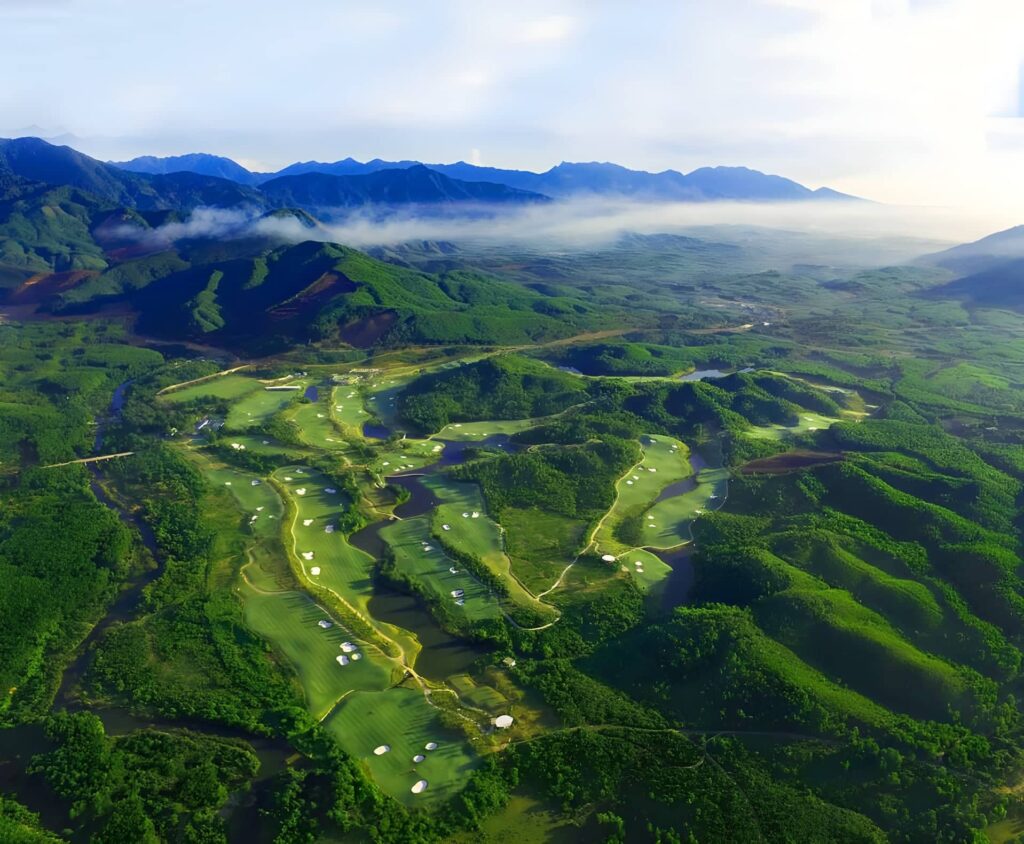
Ba Na Hills Golf Club marks its 10th anniversary on March 25, and there is something fitting about that milestone. The course, designed by Luke Donald, sits in the foothills west of Danang and has the kind of mountain setting that makes lesser golfers stop mid-round and forget what club they were meant to hit.
It has matured in the right way too.
The routing still leans into the terrain, the sense of seclusion still lingers, and the whole place retains that lovely feeling of being tucked away from the noise of modern life. Yet the conditioning and playing quality have moved on, which is what strong courses do when they are properly tended rather than merely admired.
“Ten years gives perspective,” said Paul Burley, senior vice president at IMG Golf Services, which manages Ba Na Hill Golf Club. “The course has evolved naturally with the landscape. Conditioning has strengthened, playability has deepened, yet the mountain character and spirit of escape remain central to the experience.”
That last phrase is the key: spirit of escape. Golf trips are never just about yardages and green speeds. They are about the sensation of being somewhere different, somewhere that nudges the mind out of its usual rut. Ba Na Hills seems to understand that.
Its trophy cabinet is not exactly bare either. Since opening in 2016, it has collected five consecutive World Golf Awards for Asia’s Best Golf Course, six Vietnam’s Best Golf Course titles, and three straight Asia’s Best Golf Course honours at the World Luxury Travel Awards, while also featuring prominently in rankings and titles such as GOLF.com and Golf Digest.
Awards can sometimes be like a man telling you he is humble, but in this case they do point to a course that has been consistently noticed for the right reasons.
Montgomerie Links and the strength of staying power
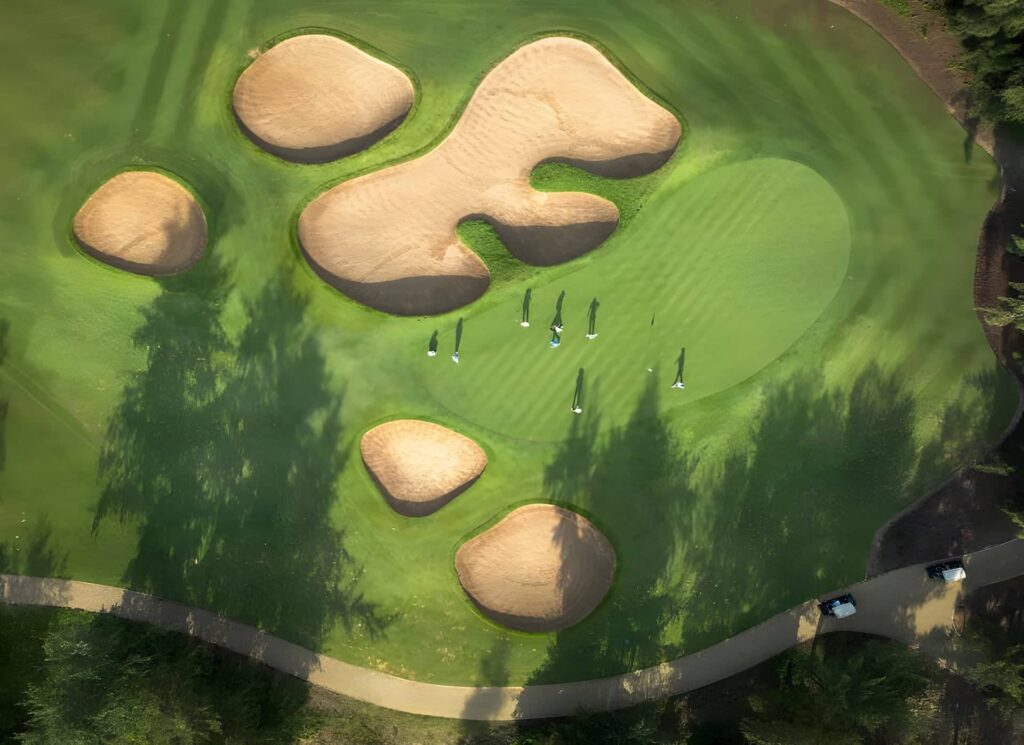
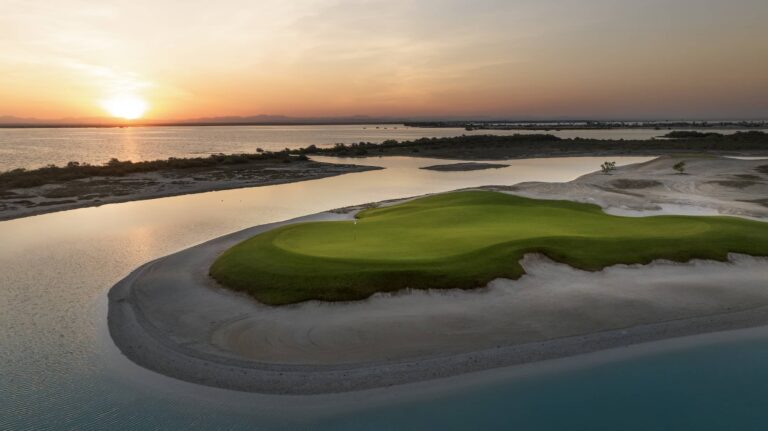
If Ba Na Hills speaks to refinement, Montgomerie Links speaks to endurance. The course moves into its 19th year in 2026, which in golf destination terms is long enough to have seen fashions come and go, and long enough to know what actually lasts.
Since opening in 2008, Montgomerie Links has been one of the structural pillars of golf in Central Vietnam. Not glamorous in a noisy way, but important in the way a lighthouse is important. It has helped establish the region’s credibility and, crucially, kept it.
“Longevity brings responsibility,” said Le Vo Hoang Van, Club Manager at Montgomerie Links. “Over nearly two decades, we’ve focused on maintaining standards that players recognise and trust. The goal is consistency in conditioning, service and atmosphere, while continuing to evolve with the market.”
There is no nonsense in that quote, and none is needed. In 2025, the club held 17% market share and remained the most-played course by rounds in the Hue–Da Nang region. That is not just a statistic. It is a sign of trust. Golfers came, played, and came back.
That is how reputations are really made.
Architecture, atmosphere and a coastline with range
The broader Vietnam Golf Coast portfolio gives Central Vietnam a depth many destinations would envy. Designs by Greg Norman, Sir Nick Faldo, Robert Trent Jones and Jack Nicklaus add pedigree and variety, which is a polite way of saying golfers are not forced into a one-note holiday.
Some destinations have one star course and a lot of hopeful supporting cast. Central Vietnam appears to have built something deeper than that.
And then there is the setting.
This is golf framed by broad beaches, sea light and mountain backdrops, where mornings can begin with salt in the air and finish in lantern-lit streets that feel untouched by the rush of the modern world. March and April bring peak conditions along the central coast, when the weather is favourable, the turf is lively, and the place hums with inbound energy rather than wilts beneath it.
For golfers used to the polished machine of the Algarve, the tropical ease of Thailand or the high-gloss ambition of the Gulf states, Central Vietnam offers a different sort of appeal. It feels layered. Less manufactured. More rooted in place.
More than golf, which is precisely the point
What separates a good golf trip from a memorable one is usually everything that happens after the final putt drops.
Central Vietnam has become increasingly attractive because the non-golf hours are not dead time. There are expansive beaches, luxury beachfront resorts, and a MICHELIN-approved dining scene that gives the evenings a bit more purpose than merely finding the nearest steakhouse and discussing missed five-footers.
Add in proximity to UNESCO-listed heritage towns and cultural landmarks, and the region begins to look like a destination for partners, families and curious travellers as much as committed golfers.
That broader appeal matters in the modern travel market. People want excellent courses, certainly, but they also want context, comfort and something worth remembering beyond the 14th hole.
Confidence, not hype
Both Ba Na Hills and Montgomerie Links will engage with international partners at the Asia Golf Tourism Convention in Pattaya from March 23–25, a sensible move for a region that no longer needs to shout but still has every reason to be heard.
The most striking thing about Central Vietnam now is not that it has arrived with a bang. It is that it has settled into itself. The courses have aged well. The hospitality offer has broadened. The architecture is elite. The setting remains wonderfully photogenic without feeling staged for Instagram like a pouting teenager.
“As we enter our second decade, the focus is simple,” added Burley. “Continue refining the playing experience, continue investing in quality, and continue strengthening Central Vietnam’s reputation as a destination golfers can return to year after year with confidence.”
And that, really, is the whole story.
Central Vietnam no longer feels like a destination asking for approval. It feels like one that has earned it. For golfers chasing sunshine, strong design, cultural richness and that increasingly rare sensation of discovering somewhere with both beauty and backbone, this stretch of coast may be less an emerging option than the trip they will wish they had taken sooner.