 Andy Devaney
Women’s Golf Day has wrapped its 2026 worldwide week with events across five continents, and the scale of it now suggests something rather larger than a polite diary entry in the golf calendar.
What began in 2016 as a single-day celebration has grown into a global participation movement with enough reach, colour and community energy to make the sport’s old “we must do more” speeches look rather undercooked.
Held officially from May 26 through June 2, this year’s celebration brought thousands of women and girls into golf facilities, resorts, federations, short courses, coaching centres and social spaces around the world.
There was instruction, play, networking, brunch, business chat, social media fizz, and, crucially, that most valuable thing in golf: a first proper welcome.
From Four Hours To A Global Golf Platform
Women’s Golf Day began with a neat, simple format: four hours designed to introduce women and girls to the game in an accessible, sociable way.
That format still matters. It is the front door. The handshake. The moment someone who may have thought golf was not for them discovers that the sport does not, in fact, require a family crest, a single-figure handicap or an alarming collection of waterproof trousers.
But in 2026, Women’s Golf Day is no longer just a four-hour introduction. It has become a week-long global activation linking golf clubs, governing bodies, resorts, operators, brands, federations and players around a shared objective: getting more women and girls into golf, and keeping them there.
“Women’s Golf Day is no longer simply a day on the calendar,” said Elisa Gaudet, Founder of Women’s Golf Day. “It has become a global movement that unites people through golf, creating meaningful experiences in every corner of the world while highlighting the power of golf facilities and the industry working together for a single mission- more women and girls in golf.”
That is the central point. This is not participation theatre. At its best, it is infrastructure: social, sporting and commercial.
Brazil Joins The Movement With A Statement
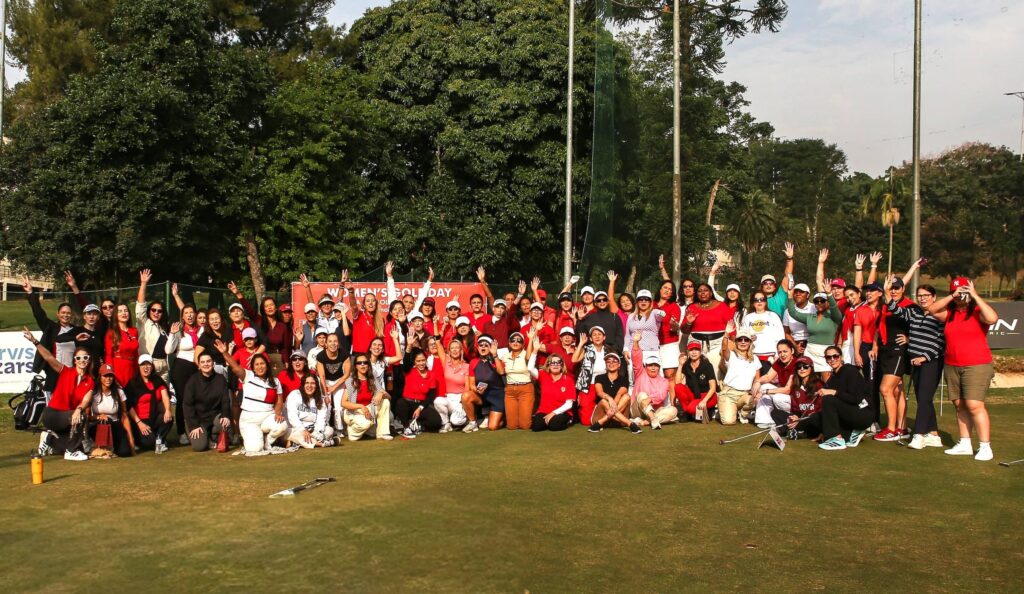
One of the standout stories of the 2026 week came from Brazil, which participated for the first time.
Led by WGD Ambassador Adriana Marra and supported by the Brazilian Golf Federation, the event attracted more than 100 women. For a first outing, that is not dipping a toe in the water. That is arriving with a cannonball and soaking the front row.
The Brazilian event mixed golf instruction, networking and social activities, creating the sort of setting that matters for newcomers: relaxed, useful, and not remotely designed to make people feel foolish for asking which end of the club is supposed to do the damage.
It also showed why Women’s Golf Day works. The model can travel. It can flex culturally. It can fit the rhythm of a country, a club, a resort or a local community without losing its central purpose.
PGA Frisco Shows The Power Of Proper Collaboration
In the United States, the WGD event held with the PGA of America and Omni PGA Frisco Resort & Spa continued to serve as one of the movement’s flagship examples.
Taking place at the PGA of America HQ in Frisco, Texas, the event brought together women of different ages and skill levels. Participants could either play The Swing short course or receive instruction from PGA Professionals at the Coaching Center before moving into networking, brunch and discussions about the future of women in the golf industry.
That combination is important. Golf has always sold itself as a game of business, connection and opportunity, but historically not everyone has been handed the same invitation.
Events like this make the invitation visible.
They also show the value of the right setting. PGA Frisco gives Women’s Golf Day a stage with institutional weight behind it, while the programme itself keeps the experience human, practical and welcoming.
Japan, Prague And The Costa Del Sol Add International Texture
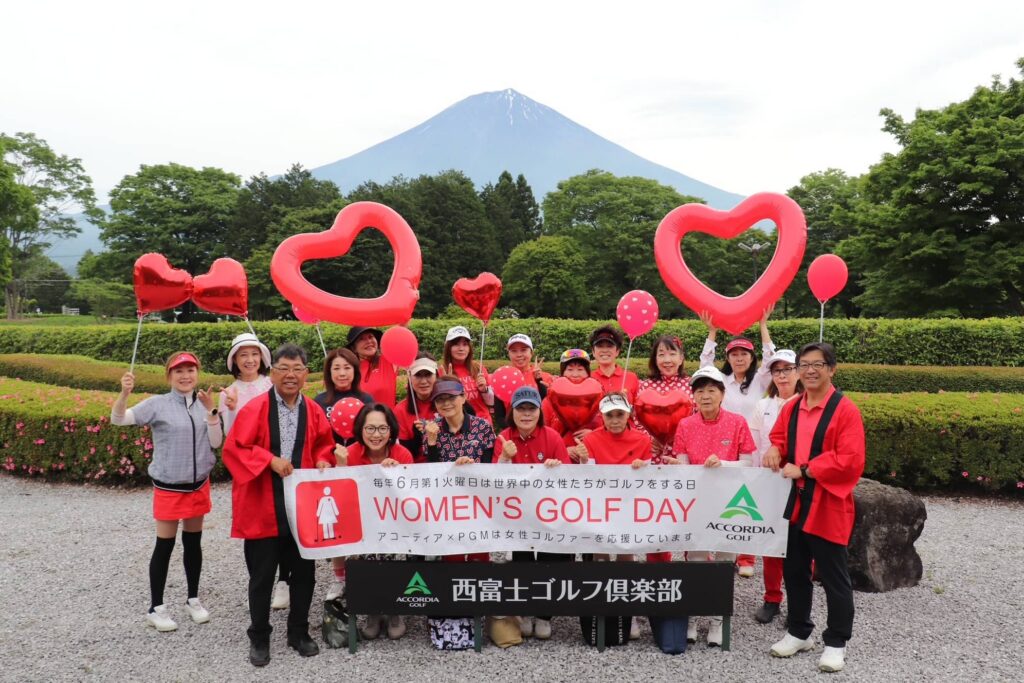
In Japan, Women’s Golf Day continued its growth through partnerships with the Japan Golf Association and Accordia Golf. The country’s events blended golf, business networking and social connection, which is increasingly where the initiative appears to be gaining its strength.
This is not just about filling a lesson tee for one afternoon. It is about creating reasons to return.
The Czech Republic also showed the initiative’s reach in Central Europe, with Royal Beroun Golf Club near Prague using Women’s Golf Day to welcome first-time golfers while strengthening existing women’s golf communities.
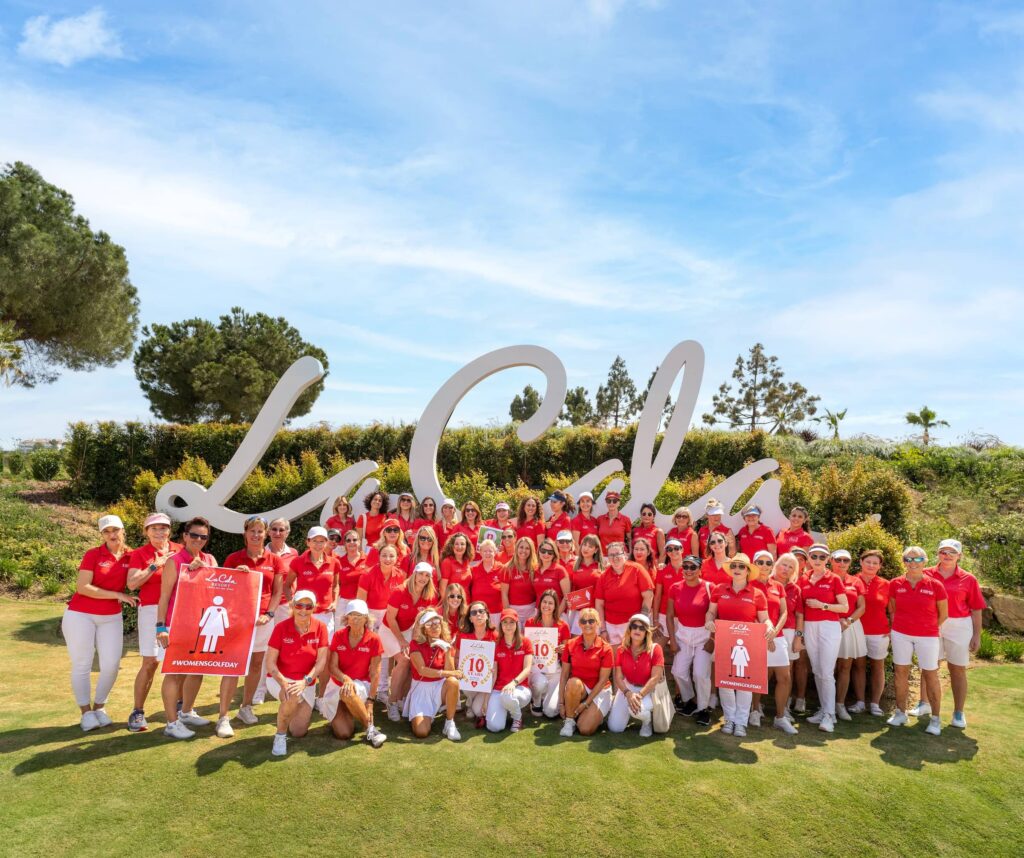
Then there is La Cala Resort on Spain’s Costa del Sol, which remains one of the standout international hosts. The setting helps, obviously. It is easier to sell the pleasures of golf when the Mediterranean is doing half the marketing for you and the sun appears to have signed a hospitality agreement.
But La Cala’s appeal goes beyond scenery. Participants enjoyed on-course play, activities at The Golf Hub, hospitality and social engagement, giving the event a rounded, resort-led feel rather than a token session squeezed between tee times.
As the resort noted during its celebration: “This is not a trend to acknowledge. It is a community to build with.”
That line lands because it gets to the spine of the whole thing.
More Than A Celebration
The most interesting part of Women’s Golf Day is that it now sits somewhere between participation campaign, industry platform and community network.
The host venues are no longer simply offering a few introductory swings and hoping everyone remembers where they parked. Programmes now include leadership discussions, business networking, charitable elements, wellness experiences, fashion showcases and community outreach.
That may sound broad, but it reflects the actual role golf can play when it opens itself properly. The game is not only about scorecards. It is also about confidence, friendships, business relationships, access, fresh air, skill-building and belonging.
Since launch, Women’s Golf Day has reached more than 1,350 locations across 86 countries. It describes itself as the fastest-growing female golf development initiative in the world, and the numbers certainly explain why the wider golf industry is paying attention.
The real test, of course, is not whether people attend once. It is whether they come back. Whether clubs keep the welcome mat out. Whether facilities promote lessons, leagues, social golf, junior opportunities and pathways long after the bunting has come down.
That is where the initiative’s year-round digital platform matters. WGD continues to promote participating facilities, governing bodies and partners beyond the official week, highlighting tournaments, lessons, events and opportunities for women, men and juniors.
Why Women’s Golf Day Matters For The Sport
Golf has spent years talking about accessibility, diversity and participation. Often, the talk has been well-meaning. Sometimes it has had all the urgency of a committee deciding biscuit policy.
Women’s Golf Day works because it is visible, repeatable and international. It gives facilities a clear framework and gives participants a clear reason to turn up. It also gives the industry something measurable to rally around.
From major championship venues and destination resorts to municipal facilities and driving ranges, the model shows that women’s golf development does not need to be treated as a side project. It can be central to how the sport grows.
The 2026 week may have finished on June 2, but the stronger story is what remains: new players, wider networks, busier facilities, and communities that now have a reason to keep the conversation going.
For a sport that can still occasionally behave as if change requires a formal vote and a blazer, Women’s Golf Day feels refreshingly direct. Open the doors. Put clubs in hands. Make people feel welcome. Then make sure they have a reason to return.
That is not just good for women’s golf. It is good for golf full stop.