
 Andy Devaney
England Golf is using Volunteers’ Week 2026 to shine a long-overdue light on the 100,000 people who give their time, patience and occasional diplomatic immunity to keep golf clubs running across the country.
They are not always the ones splitting fairways or holing putts. More often, they are the ones making sure the competition actually has a start sheet, the juniors have someone looking after them, the handicaps are processed, the committee still functions, and nobody has accidentally scheduled the captain’s drive-in during a medal round.
In short, they are the people who make the game look far easier to run than it actually is.
A Survey That Says Plenty About The Soul Of Club Golf
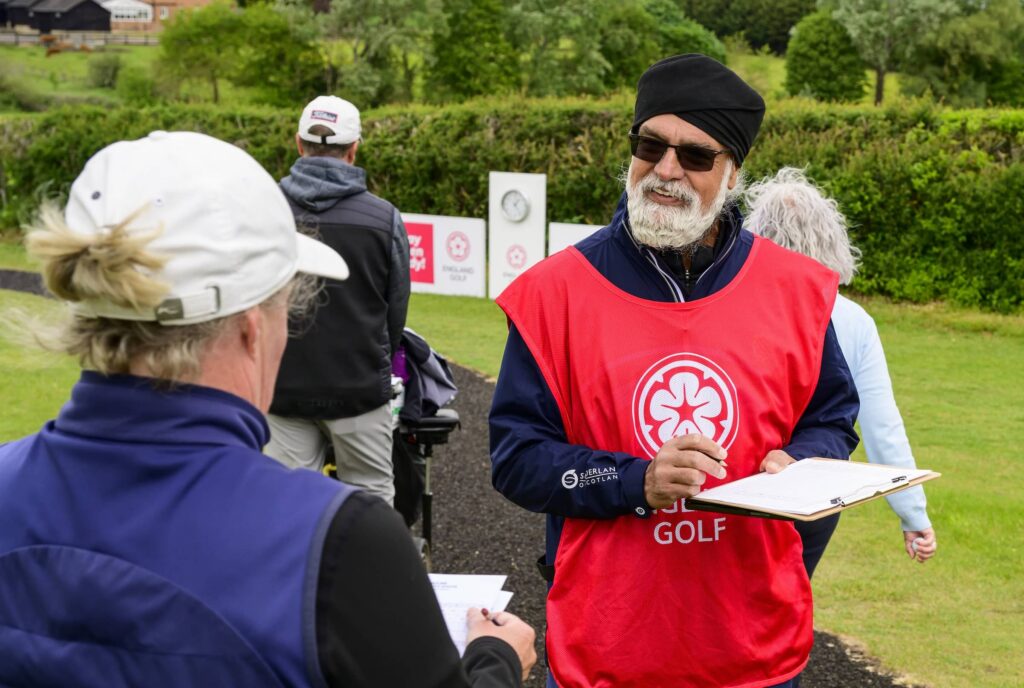
New insight from England Golf’s latest survey of 1,000 club-based volunteers paints a fairly unmistakable picture: golf volunteering is not a casual flirtation. It is a long relationship, usually involving loyalty, early mornings and the ability to remain cheerful while someone asks why their handicap has moved by 0.1.
More than 99% of golf volunteers surveyed are members of their club, which says something important about belonging. These are not outsiders brought in to prop up the system. They are the club. They know where the spare scorecards live, which door sticks in winter, and which committee discussion will somehow take 47 minutes longer than necessary.
The commitment is substantial. England Golf says 60% of respondents have volunteered for seven years or more, while 15% have been doing so for 21 years or more. One in five contributes more than 11 hours a week to golf.
That is not volunteering as a pleasant occasional dabble. That is practically a second job, only with more waterproofs and fewer annual appraisals.
The Numbers Behind The Quiet Graft
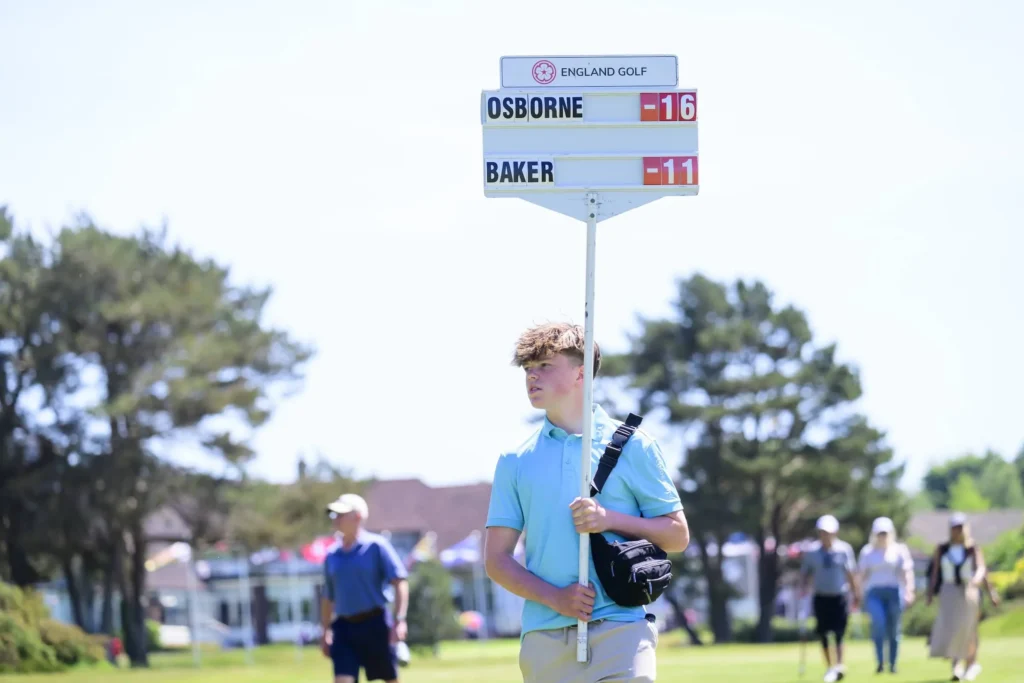
The survey also shows that satisfaction remains high, with 85% of volunteers reporting that they are satisfied in their role. That matters because the club game depends heavily on people who are willing to give their time without fuss, fanfare or a branded lanyard telling everyone how essential they are.
Across England, an estimated 100,000 people volunteer in golf each year. England Golf estimates that this is almost one in seven members giving time back to the sport.
Their work stretches across almost every corner of club life: course maintenance, competitions, handicapping, junior golf, governance, committees and the less glamorous but utterly necessary jobs that stop a club from becoming merely a nice piece of land with a bar and a spreadsheet problem.
Minchinhampton is singled out as one of the strongest examples, with the club reporting more than 200 volunteers across a wide variety of roles. That is a small battalion, though presumably with better manners and a firmer grasp of four-ball better-ball scoring.
Women Are Playing A Major Role In Golf Volunteering
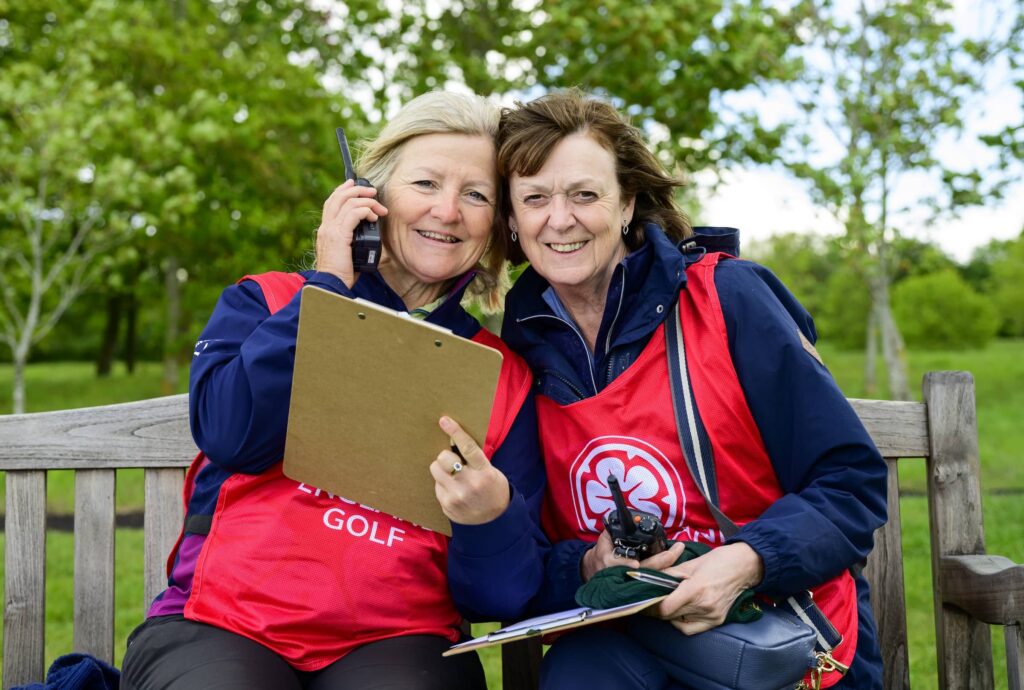
One of the more striking findings concerns the role of women in golf volunteering.
While women make up around 11% of golf club membership, they represent 30% of the volunteer workforce. That is a notable gap in the best possible direction, and it points to a broader truth: volunteering can often reveal the real social structure of a club more clearly than a membership chart.
Golf still has work to do on representation, access and culture, but this figure shows women are already playing a significant role in shaping the day-to-day life of clubs across England.
The age profile also reflects a huge reservoir of experience. According to England Golf, 42% of volunteers are aged 66 to 75, while 32% are aged 56 to 65. These are people who have seen enough club AGMs, winter rules debates and slow-play conversations to qualify for some form of campaign medal.
Why Volunteers Keep Coming Back
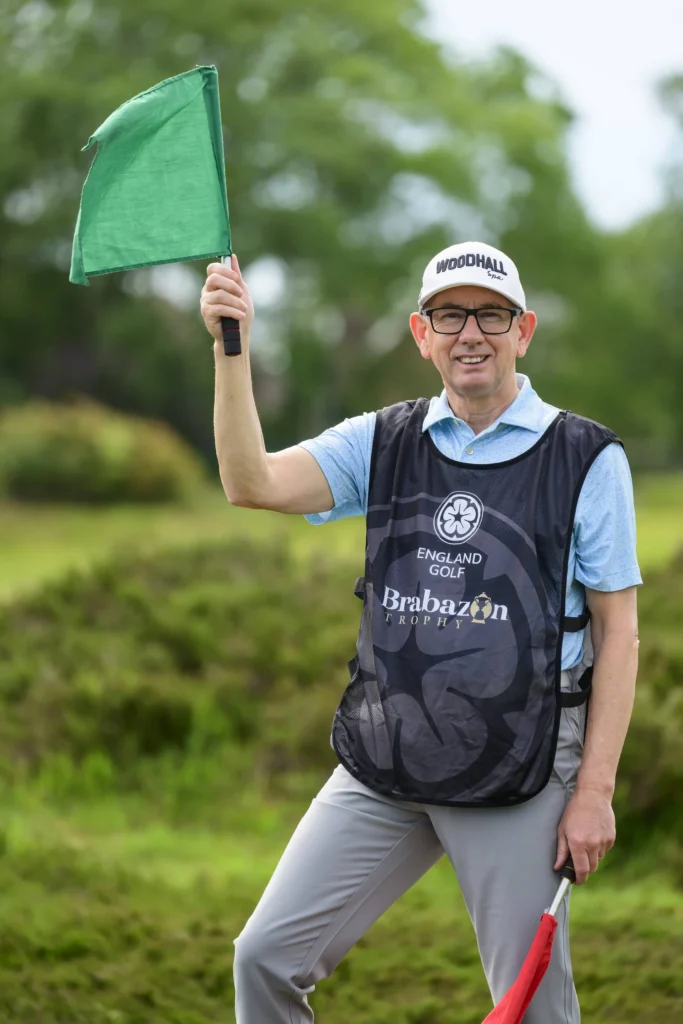
The motivations are refreshingly grounded. Volunteers say they step forward to give back to their club and community, support the development of the game, and build new skills and knowledge.
That last point should not be overlooked. Volunteering is not simply an act of generosity; it can also be a route into confidence, competence and influence. Many volunteers report that their involvement has improved their skills, their understanding of how golf clubs operate, and their confidence in contributing to club life.
For clubs, that is gold dust. A strong volunteer base does not just cover jobs; it builds resilience. It develops people who understand the machinery of the club and care enough to keep it moving.
England Golf’s Support For The People Behind The Game
England Golf says it continues to invest in tools, guidance and education designed to help volunteers feel more confident and better supported.
That includes Activator Courses, which train volunteers to inspire the next generation, and a new Board Learning Workbook designed to help induct decision-makers in clubs.
It is a sensible approach. Goodwill is powerful, but goodwill with training, structure and clarity is even better. Golf clubs have always relied on people who care. The modern challenge is making sure those people are not left to figure everything out through hearsay, habit and a drawer full of old minutes.
Matt Bloor, England Golf Volunteer & Workforce Manager, said: “Volunteers are the heartbeat of our game. Their dedication, generosity and passion ensure that golf remains welcoming, accessible and thriving in every corner of England.
Whether they’ve given one year or 50, their contribution shapes the experience of every golfer who walks through a clubhouse door. We offer our heartfelt thanks to every single volunteer who gives their time to support the sport we all love.”
A Thank You Would Not Go Amiss
Volunteers’ Week is a useful reminder that golf does not run on tee sheets and mowers alone. It runs on people who stay behind, turn up early, organise quietly, answer the awkward questions and take on the sort of jobs everyone notices only when they stop being done.
For golfers, there is a simple lesson here. Say thank you. Not in a grand, theatrical, standing-ovation sort of way. Just properly. To the person running the junior section, the one sorting the competition cards, the member helping with the course, the committee volunteer still trying to make sense of a policy document after dinner.
And for anyone thinking of getting involved, the route is pleasingly uncomplicated: speak to your local club or county body and offer your support.
Golf has always liked to talk about tradition. Its best one may be this: ordinary people giving extraordinary amounts of time so everyone else can enjoy the game. Not glamorous, perhaps. But then again, neither is raking a bunker properly, and the game rather falls apart without it.