Staff Writer
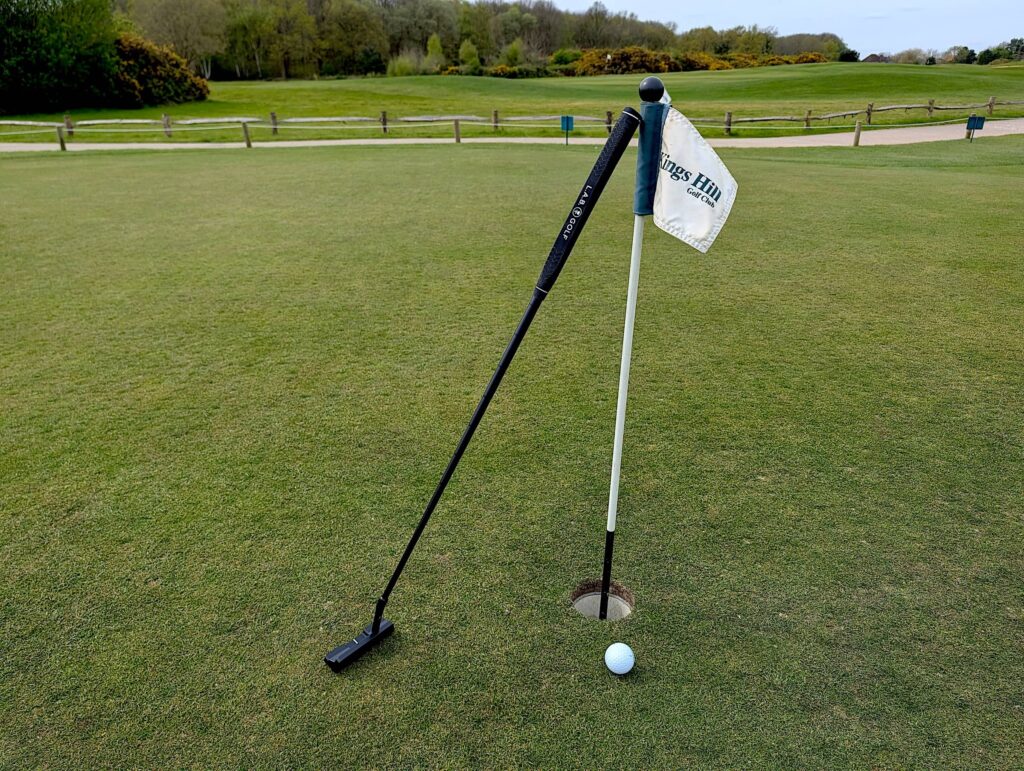
The L.A.B. Golf LINK.2.1 is the sort of putter that makes a tidy first impression. It is narrow, clean, dark and unapologetically traditional at address, like a blade that has been to finishing school and come back with better manners.
I reviewed the LINK.2.1 rather than the 2.2, and while I can see exactly why this model will appeal to golfers who love a classic profile, I came away feeling the same thing I often do with blades: very clever, very handsome, but not quite enough help on the longer putts for my taste.
That is the heart of it. The face squares beautifully with very little fuss. Start line control is excellent. On shorter putts especially, the LINK.2.1 behaves like a well-trained spaniel. But in my hands, I had to put noticeably more effort into longer putts than I do with the DF3i, and that matters. Because once you have grown used to the quiet efficiency of a really good mallet, going back to a slimmer blade can feel a bit like swapping a luxury saloon for a vintage roadster. More romance, less assistance.
First impressions: sleek, compact and properly blade-like
There is no mistaking what L.A.B. Golf was trying to do here. The LINK.2.1 is a traditional, narrow-body blade built from 303 stainless steel, finished in black PVD and shaped to look familiar rather than futuristic. For golfers who may have admired L.A.B.’s technology from afar but could not quite get their eyes around some of the larger heads in the family, this is the olive branch.
At address, it sits beautifully. The slimmer footprint gives it that classic blade silhouette that better players and traditionalists tend to gravitate toward. It looks like a putter you can control. More importantly, it looks like a putter you want to use.
The black finish helps. It frames the ball nicely, reduces glare, and gives the head a crisp, serious look without appearing fussy. There is nothing loud or gimmicky about it.
How it feels off the face
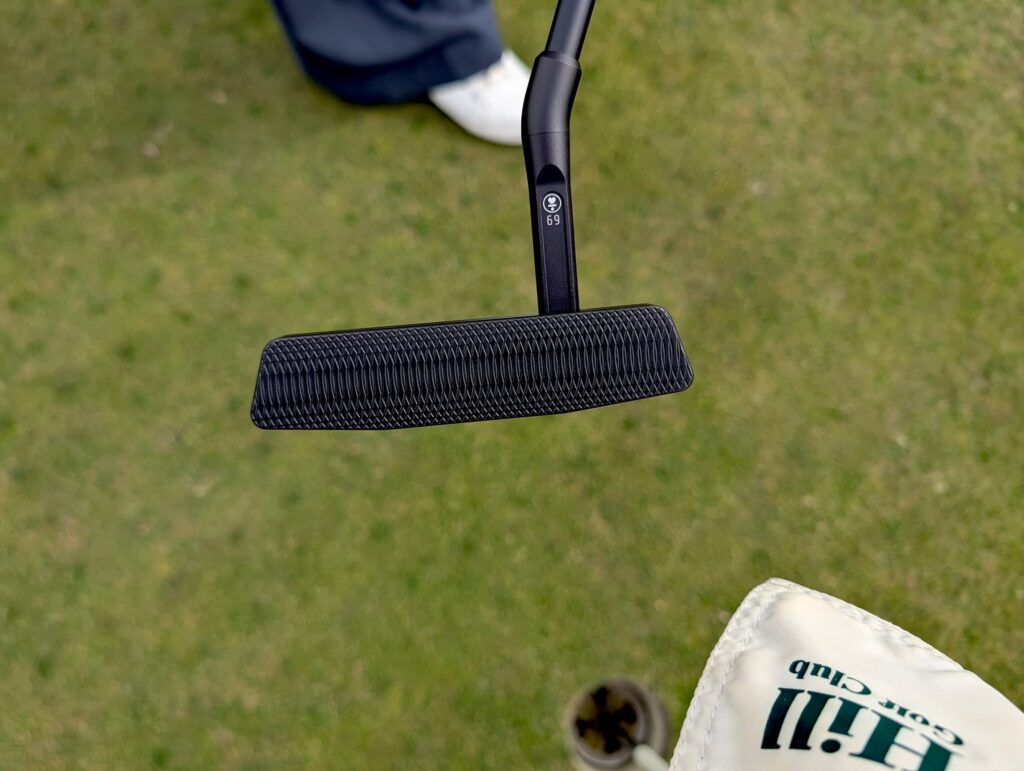
The deep fly mill face gives the LINK.2.1 a feel that is firm enough to be responsive, but not so sharp that it feels clicky or harsh. There is a pleasant sense of definition at impact. You know where on the face you have struck it, which is never a bad thing in a blade putter.
On shorter and mid-range putts, that feel works well. The ball gets rolling nicely, and the face seems eager to return square. That is where the real appeal of this putter lives. It removes some of the small manipulations that golfers often make when they get twitchy over the ball.
But the longer putts were where I kept coming back to the same conclusion. I felt I had to add more effort than I wanted. Not panic, not strain, but effort. With the DF3i, distance control seems to arrive with less persuasion. With the LINK.2.1, I felt more responsible for supplying the energy myself.
The technology translated into real life
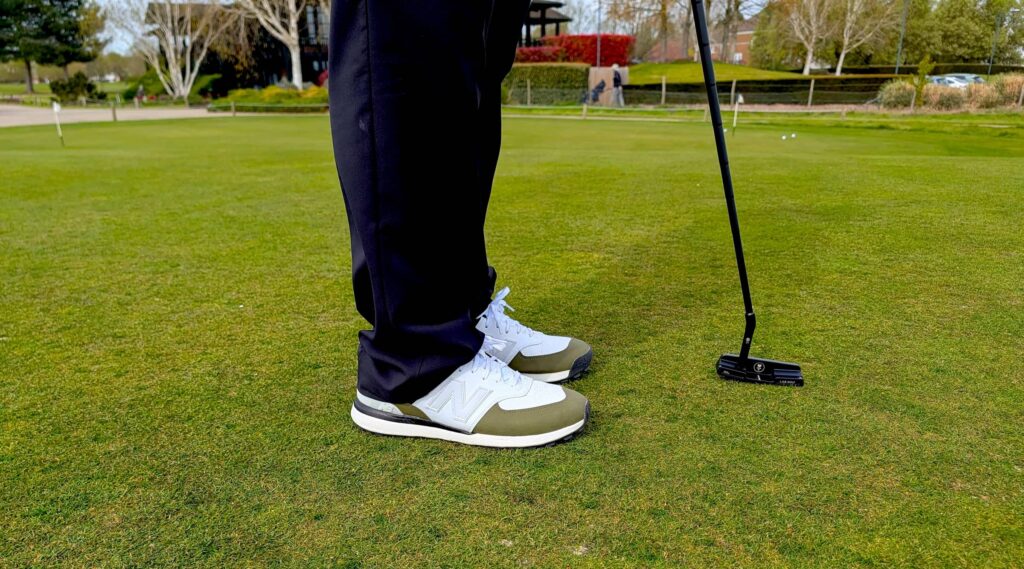
L.A.B. Golf’s entire reputation has been built on Lie Angle Balance and the LINK.2.1 brings that technology into a shape that traditionalists can recognise without needing therapy afterwards.
Like most blades, this one is heel shafted. Unlike most blades, it is designed to stay square through the stroke regardless of length, lie angle, head weight, shaft or grip configuration. In plain English, that means less face rotation to manage and less need for handsy correction through impact.
That benefit is real.
On a practical level, the LINK.2.1 helps with face control, start line consistency and dispersion on shorter putts. If you are the sort of golfer who loves the look of a blade but does not always love what the blade does under pressure, this is where the LINK.2.1 starts making a lot of sense.
The 0-degree shaft lean also makes it easier to drop in your preferred grip and get going without feeling as though the whole thing has been designed by a committee of physicists and watchmakers. There is clever engineering here, but it is not trying to show off.
Where it shines and where it doesn’t
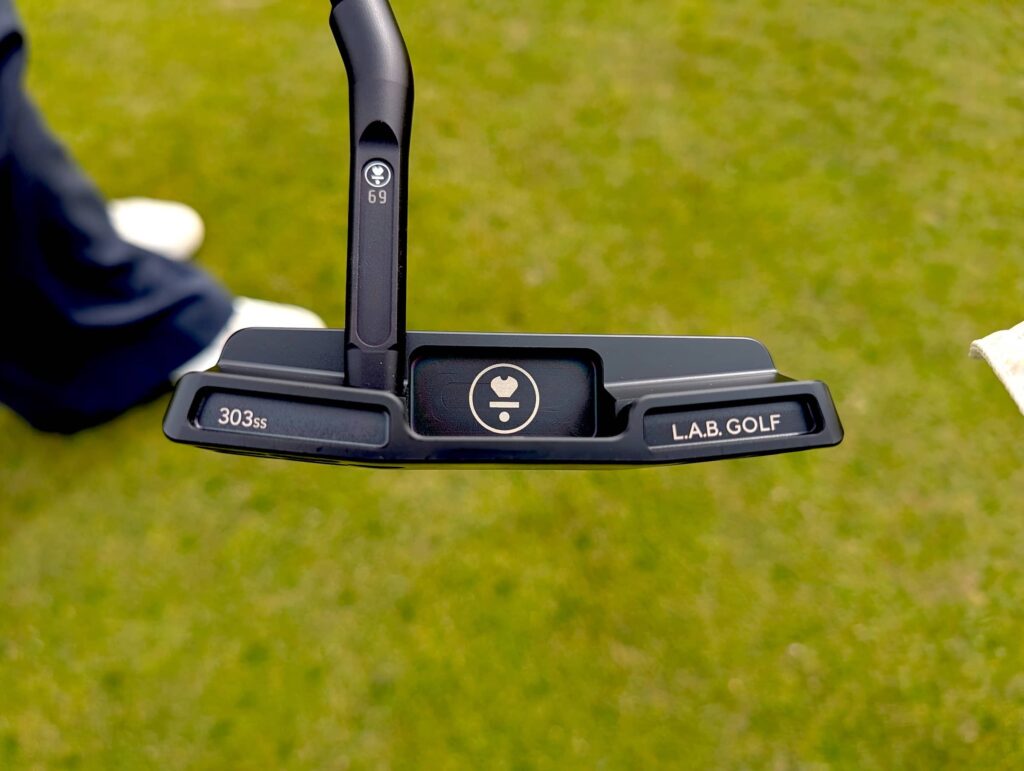
The biggest strength of the LINK.2.1 is simple: it makes a blade feel more stable without making it look like a spaceship. That is no small trick.
I found it very easy to aim, very easy to return square, and reassuring on the sort of putts that can ruin a round and a perfectly decent mood. Inside that nerve-jangling six-foot zone, it behaves with a calm authority that better players will appreciate.
Its weakness, for me, is also simple: it does not give me the same easy pace on longer putts that I get from a mallet, particularly the DF3i. I personally prefer mallet putters now, and the DF3i in particular is going to be very hard to replace in my bag. It feels as though it does more of the heavy lifting from distance, whereas the LINK.2.1 asks a little more of the golfer, but maybe that’s just me.
In fact, some golfers will prefer that more connected, blade-like sensation. But if your priority is effortless long-range distance control, I think the larger L.A.B. options still hold the stronger hand.
Who is the LINK.2.1 best for?
This putter is best for the golfer who:
- loves a traditional blade look
- wants help keeping the face square
- values start-line consistency over maximum head size
- prefers a cleaner, more compact profile at address
- has never quite got on with bulky mallets visually
I would say it suits confident putters, lower handicaps, and traditionalists particularly well, but it is not limited to them. Mid-handicap players who like the appearance of a blade yet need a bit of built-in stability could also do very well with it.
If, however, you are someone who relies on a mallet for forgiveness and easy pace control, especially on big greens or lag putts, you may admire the LINK.2.1 more than you ultimately adopt it.
How it compares to rivals
In the premium blade category, the LINK.2.1 sits in a very interesting spot against models from Scotty Cameron, Bettinardi and Odyssey. Those putters often win on aesthetics, brand familiarity or feel preferences, but L.A.B. brings something slightly different to the party.
What separates the LINK.2.1 is that built-in resistance to twisting and rotating. It is a blade with less drama. Traditional blade putters can be brilliant in the right hands, but they can also punish a slightly mistimed or slightly nervy stroke. The LINK.2.1 tries to reduce that penalty without ruining the look that blade fans adore.
That is its lane, and it occupies it well.
The bigger picture for L.A.B. Golf
This release matters because it shows how far L.A.B. Golf has come. The technology is no longer confined to shapes that ask golfers to make a visual leap of faith. The company is now packaging its core idea inside more familiar forms, and that broadens the appeal considerably.
As L.A.B. Golf Founder Sam Hahn put it: “Putters are SUCH a personal thing. Everyone prioritizes different aspects of a putter design differently. While our technology was in its adolescence, our designs were constrained by certain realities around size and shaft location, but our R&D team has been adamant that we need to have something in our lineup for everyone.
“After years of development, we are so excited to be able to offer our technology in more traditional styles. It’s the most pure combination of tradition and technology we’ve ever produced, and we are stoked!”
That ambition comes through clearly in the LINK.2.1. This is not a novelty act. It is a serious attempt to meet traditional golfers where they live.
Verdict: a very smart blade, just not my forever putter
The L.A.B. Golf LINK.2.1 is an excellent putter for the right player. It looks sharp, sits square, feels solid and gives blade lovers a level of built-in face control they do not usually get in such a compact shape. On shorter putts, it is especially impressive.
But for me, it does not knock the DF3i out of the bag.
That is not a criticism so much as a fit issue. I simply prefer what a mallet gives me now, especially on longer putts where I want less effort and more natural pace. The LINK.2.1 asks me to work a little harder from range than I would like.
Still, for anyone who loves a blade putter, I am quite sure they will love the 2.1. The face squares nicely on every putt with little effort trying to control it, and that alone will make it a compelling option in a crowded premium market.
In other words, this is a fine blade with a very modern brain. I admire it a great deal. I am just keeping the DF3i where it is, firmly in my bag.