 Andy Devaney
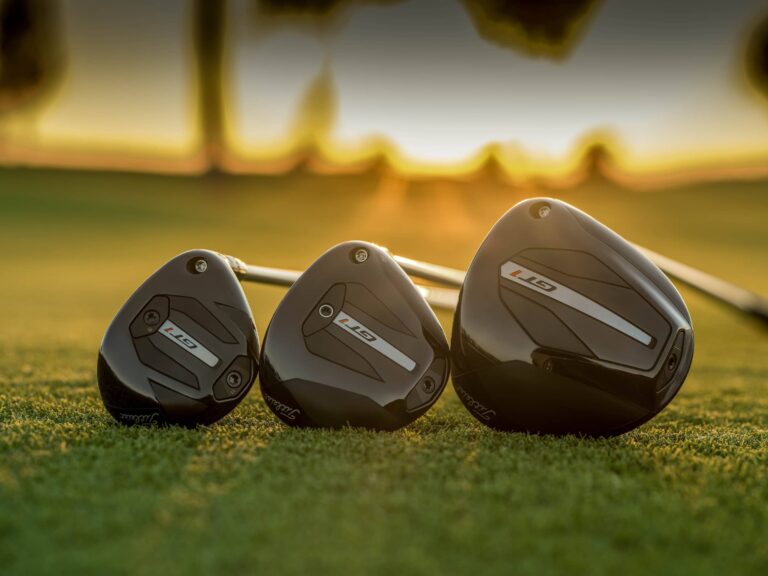
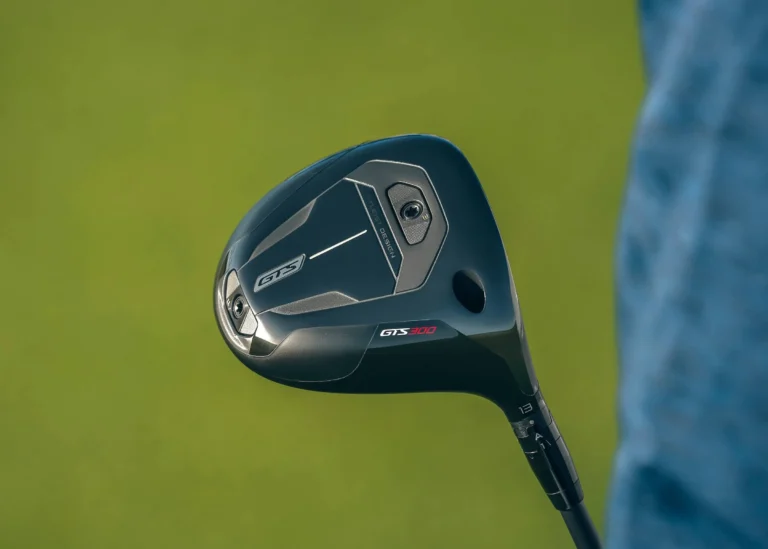
Titleist has kept its foot on the accelerator, and this week the company’s new GTS fairway woods begin their march across the professional game with the arrival of the GTS2 and GTS3 models on worldwide tours.
In a sport where players inspect equipment with the suspicion of a customs officer and the fussiness of a cat choosing a chair, that sort of rollout matters. When a club gets into elite bags early, it usually means somebody has seen something worth keeping.
The timing is no accident. Titleist’s GTS metalwoods family has already built early momentum through its driver launch, and now the fairway range is stepping into view with the same quiet confidence that has long been the brand’s trademark. No drum solo, no fireworks, just product in players’ hands and fitting carts doing brisk business.
Titleist Builds on Early GTS Driver Momentum
The early signs have been hard to ignore.
More than 40 players on the PGA TOUR have already put new GTS drivers into play since their debut three weeks ago at the Texas Children Houston Open. That number alone tells its own story. Tour professionals do not change drivers for a laugh, nor because a rep smiled nicely at them on the range.
Justin Thomas added a GTS2 driver to the bag for the first time at the Masters, which is about as public an endorsement as a manufacturer can hope for without hiring a brass band. A week earlier at the Valero Texas Open, there were 34 GTS drivers in play, more than any competing brand’s total number of drivers.
That matters because tour adoption is golf’s version of a lie detector. Players can ignore advertising, overlook slogans and forget launch campaigns, but they do not fake trust when millions are on the line.
New GTS Fairways Get Their First Serious Look
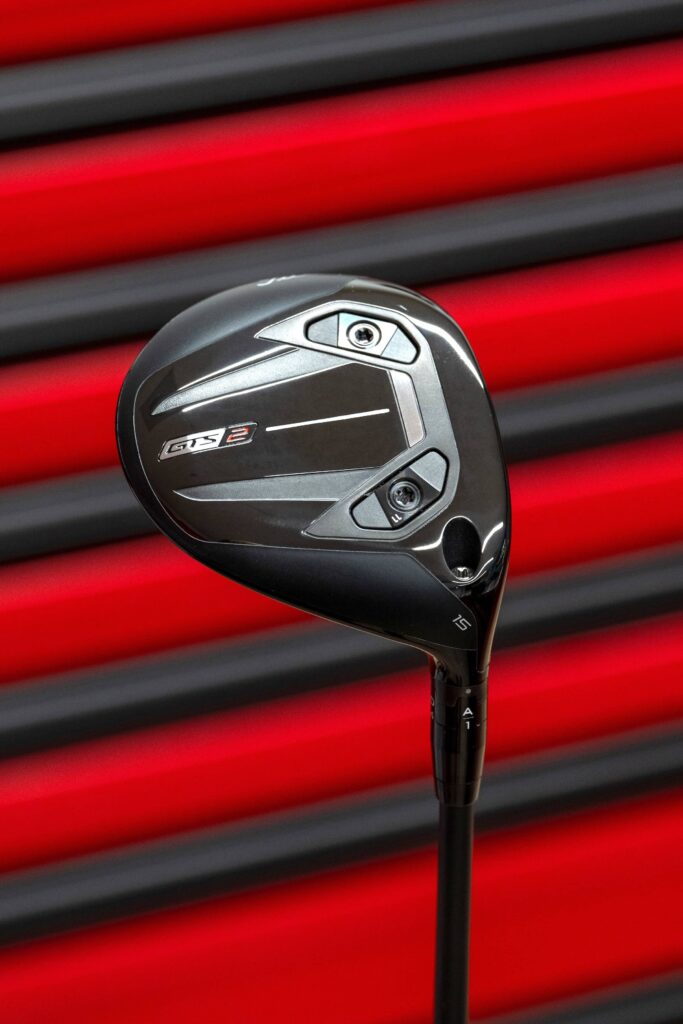
Now the attention shifts to the fairway woods.
Cameron Young and Johnny Keefer were both keen to get an early look at the new GTS fairways heading into the season’s first major. Both players added GTS3 21.0 7-woods to the bag, with Keefer putting his in play at the Texas Children’s Houston Open and Young doing so on Thursday at Augusta National.
That is an intriguing detail, because the 7-wood has become less of a rescue club and more of a tactical weapon in modern elite golf. For the right player, it offers height, stopping power and a softer landing into firm greens, without forcing the sort of violent swing a long iron often demands. In plain English, it can be a very civilised way to attack a brutal golf course.
The choice of a GTS3 7-wood also hints at the golfer Titleist may be targeting with this model: players who want shot-making control without sacrificing the kind of launch conditions needed to hold greens from distance.
What the GTS2 and GTS3 Look Set to Offer
Titleist has not yet pushed out a long list of public-facing technical claims here, so the smarter read is to judge the launch by how it is being used on tour rather than pretending we have launch monitor numbers spilling out of our pockets.
Still, the shape of the range is familiar enough.
The GTS2 appears likely to appeal to players wanting a more stable, user-friendly fairway wood, the sort of club that helps with launch, forgiveness and consistent carry from a variety of lies. That usually suits a broad spread of golfers, from solid club players to better amateurs who want reliability without needing to perform surgery on every swing.
The GTS3, by contrast, looks aimed at the player who wants a little more control over flight, shaping and gapping at the top end of the bag. That tends to suit stronger ball-strikers, lower handicappers and competitive players who know exactly what they want a fairway wood to do and become irritable when it does anything else.
In practical terms, that is often the split: GTS2 for help, GTS3 for precision.
Why Tour Validation Still Matters
There is always a temptation to dismiss tour seeding as theatre, but that misses the point.
The modern fitting process on professional tours is relentless. A club is tested, adjusted, compared, binned, revisited and occasionally rescued from the bin if it behaves itself. Titleist has long leaned into that environment, using player feedback as part of the product development cycle rather than as a decorative flourish after the fact.
That process is again front and centre this week at both the PGA TOUR’s RBC Heritage and the LPGA’s JM Eagle LA Championship, where Titleist reps will work directly with players testing the new GTS2 and GTS3 fairways. The goal is not merely to hand clubs out and hope for the best. It is to fine-tune the top end of the bag, where one club change can alter strategy on half a dozen holes.
That level of fitting matters just as much for everyday golfers. The best fairway woods are not simply long. They fit a role. Some need to launch high from the turf. Some need to chase off the tee. Some need to sit neatly between driver and hybrid without creating confusion and mild panic on a par five.
Strengths, Weaknesses and the Likely Golfer Fit
Based on the rollout so far, the clear strength of the new Titleist GTS fairway range is credibility. Tour players are engaging with it quickly, and that tends to happen when a club offers meaningful performance rather than cosmetic tinkering.
Another strength is the apparent clarity in the lineup. Golfers generally benefit when a brand separates its models by job description rather than drowning them in marketing soup. GTS2 and GTS3 look set to serve distinct player preferences, which should make fitting easier.
The weakness, at least for now, is that public technical detail remains limited. Without full numbers on spin, launch, centre-of-gravity placement or adjustability, there is only so far anyone sensible can go in making hard performance claims. That is not a fatal flaw, but it does mean the story today is about tour confidence more than consumer data.
As for ideal golfer type, GTS2 should suit the player seeking forgiveness, stable launch and dependable carry. GTS3 appears more naturally aligned with skilled players who prioritise control, trajectory management and precise gapping.
How Titleist Stacks Up Against the Competition
In the premium metalwood market, Titleist is competing in a crowded, sharp-elbowed company. Every major manufacturer now talks a fluent language of ball speed, forgiveness and carbon this-or-that. The difference often comes down to trust, fitting and the way a club sits behind the ball when a player’s pulse is doing a drum solo.
That is where Titleist has historically been strong. The brand has built its reputation less on shouting and more on giving better players shapes, flight windows and feel profiles they can live with under pressure.
If the GTS fairways continue the momentum already seen in the driver category, they will sit squarely in that upper bracket of serious performance options.
Verdict
The rollout has substance. Players are testing. Some are switching. Titleist’s tour presence is doing what it has always done best: letting adoption speak louder than slogans.
For now, the smartest conclusion is this: the new Titleist GTS fairways have arrived with genuine tour credibility, a clear performance intent and enough early interest to suggest they will be worth a very close look once the full picture comes into view.
In golf equipment, that is often how the real stories begin — not with noise, but with good players quietly deciding they would rather not give the club back.