 Andy Devaney
The Women’s Amateur Asia-Pacific Academy isn’t just sharpening swings — it’s quietly reshaping the future of women’s golf across an entire region. And as the Academy’s second intake wrapped up its week of high-performance graft in New Zealand, the message was loud enough to echo from Samoa to Sri Lanka: this programme is making a difference.
Delivered by The R&A and the Asia-Pacific Golf Confederation (APGC), the WAAP Academy has quickly become a rare gateway for promising young golfers who simply wouldn’t otherwise get near elite-level coaching. For players arriving from tiny islands where fairways are few and funding is thinner still, this isn’t just training — it’s a lifeline.
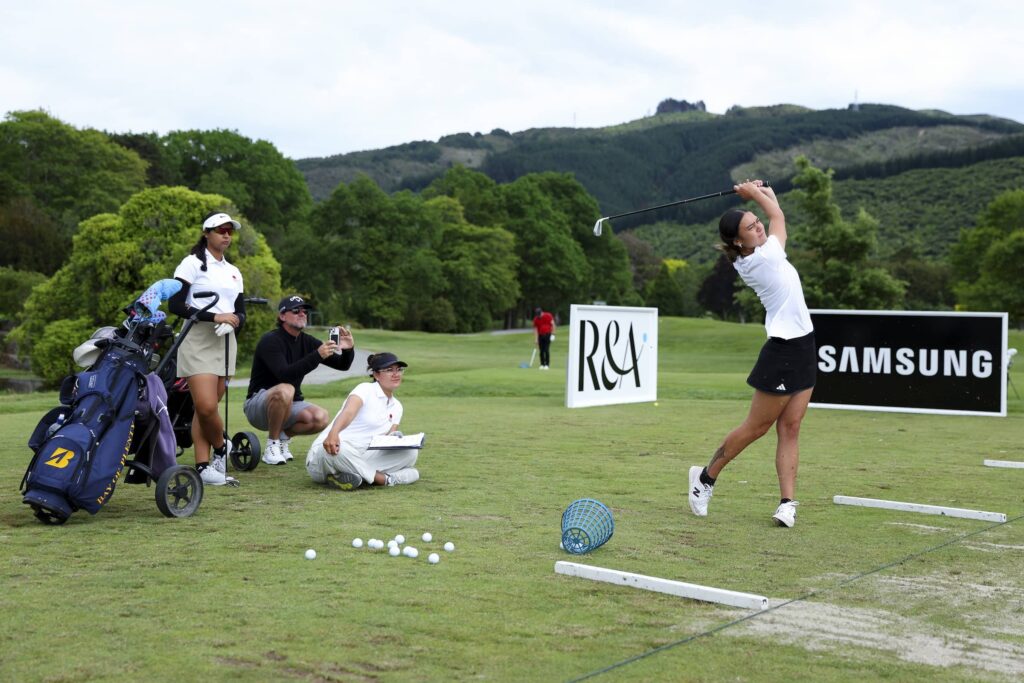
This year’s group drew a mix of Pacific talent and a strong Kiwi contingent, all preparing ahead of February’s Women’s Amateur Asia-Pacific championship at Royal Wellington. And for 17-year-old Guam left-hander Tyanna Jacot, it’s been a revelation.
“The Academy has been amazing. It’s been hard work and I’ve learned a lot over the past couple days. I’d attended a different camp earlier when I was a teen, but this is on a different level.
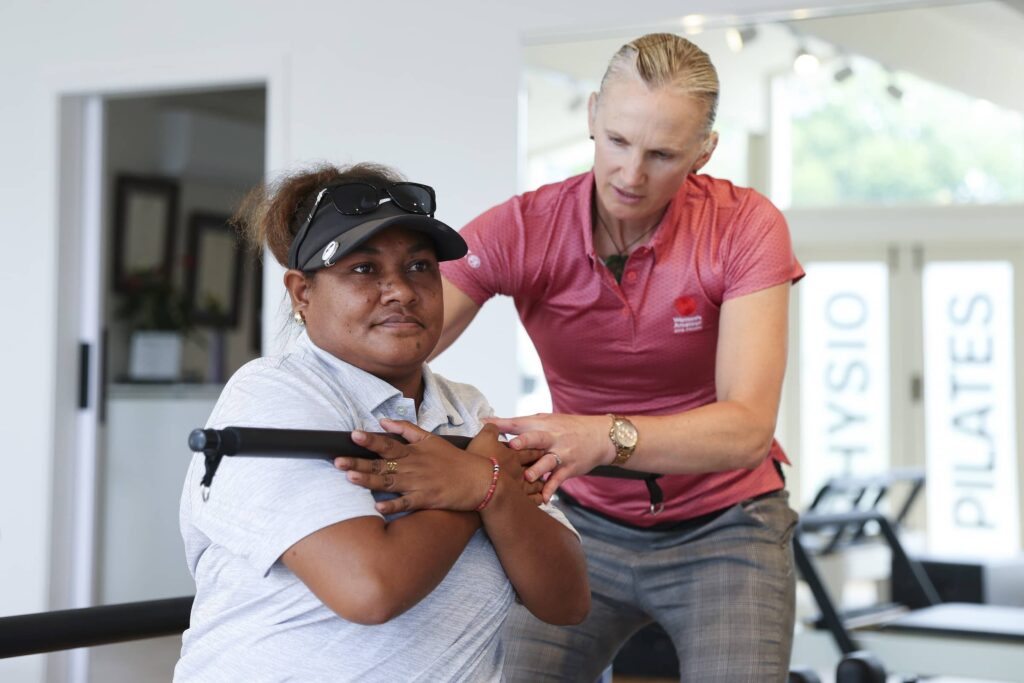
“I’ve learned a lot about my short game, my long game, the mental side of golf, and also the physiotherapy side of things and how to maintain your body so you can continue and play at your highest level.
“I feel like I’m going to have an advantage in this year’s Championship because I’ve seen the golf course here at Royal Wellington. I can already tell what the weather’s going to be like and how it’s going to play.”
For someone from a nation just 30 miles long, that edge matters. Jacot knows she’s carrying far more than a golf bag.
“When people ask me about Guam, I usually say it’s a small island in the Pacific Ocean, it’s only 30 miles long, 15 miles wide, but great weather, good golf, good people, and there’s a lot to see out there.
“Golf is very popular. There’s a lot of golf courses, there’s a lot of golfers and a lot of fun.
“I really am proud to represent Guam. A lot of people don’t know where it is, but I feel like through me more people will be able know about the island, know where it is, and that it actually it exists.”
Samoa’s Faith Vui didn’t mince her words either. For her, the experience has been as emotional as it has been technical.
“I am very proud to represent my country, Samoa, here at the Academy. It’s just great to carry my flag on my shoulders and represent my people.
“I’ve learned so much and I’m hoping to take what I’ve learned and apply it to my golf and my daily life. To have these professionals helping us out is just a once in a lifetime opportunity.”
But perhaps the most compelling figure of the week was Papua New Guinea’s Margaret Lavaki — 30 years old, self-taught, and already a trailblazer before she even stepped off the plane.
“I was really grateful to be invited to this academy and there’s been a lot of first-time things.
“I’m the first Papua New Guinean lady to compete in the Women’s Asia-Amateur Pacific championship and also the first one to come here to this academy – so it’s a good experience.
“All of the coaching and technology, along with waking up very early to get on the course, that’s a lot of experience.
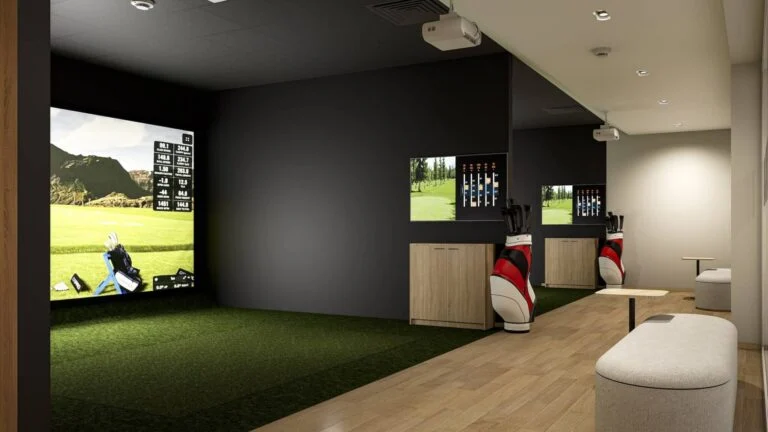
“I especially learned a lot during the club fitting. Where I’m from you just get a club and you hit the ball and try to get it there, but with the technology these days, the club is suited for your swing.
“So, I learned a lot about the golf club itself and how to hit shots to certain styles and distances.
“I’m really thankful to everyone for helping me out with my game and my journey with golf.”
Her story sums up exactly what the Women’s Amateur Asia-Pacific Academy is trying to build: not just better golfers, but stronger pathways for nations that rarely get a seat at the top table.
Alongside the Pacific players stood a strong group of young New Zealanders, including Rebecca Blackwell-Chin, Hunter Edwards, and Tania Ellis from the New Zealand Māori Golf Association, as well as Royal Wellington juniors Amy Yu (12) and Elise Barber (13). Fiji’s Raina Kumar, the Philippines’ Junia Gabasa, Singapore’s Xingtong Chen and Sri Lanka’s Kaya Daluwatte rounded out a field that looked like a miniature map of the region.
With February’s championship looming, The R&A’s Dominic Wall didn’t underplay the Academy’s importance.
“The Women’s Amateur Asia-Pacific Academy continues to grow in both scale and impact, and it is encouraging to see players from across the region engaging with world-class coaching in facilities such as NZCIS.
“By providing these young women with access to the same high-performance environment they will encounter during the Championship, we are helping them build confidence, capability and ambition. This is an important investment in the long-term strength of the women’s game across our region.”
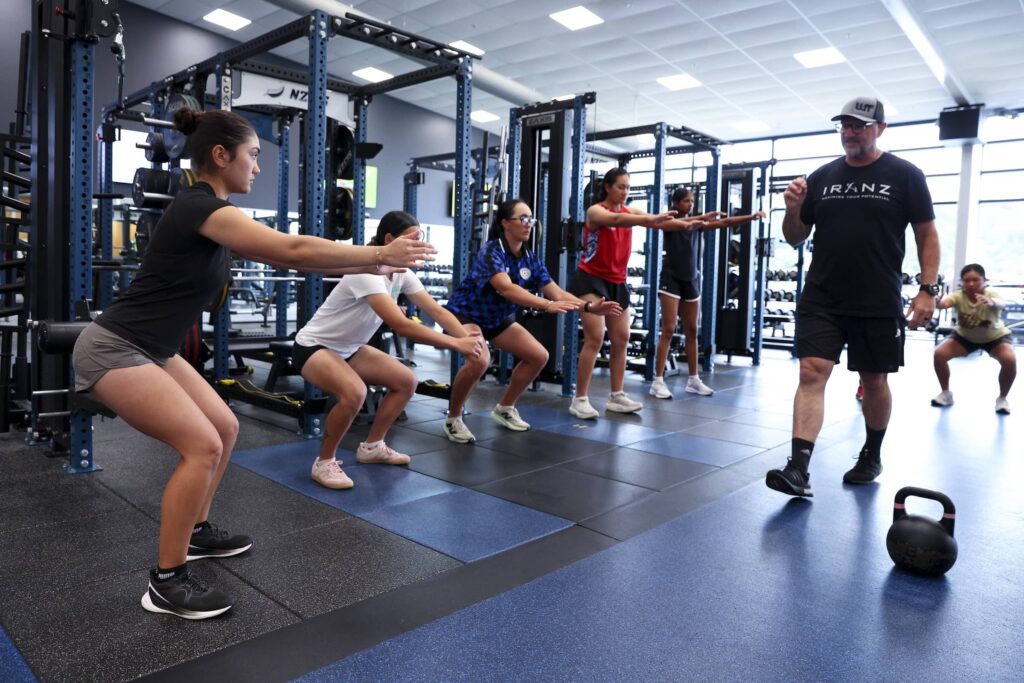
Across the week, players worked with a seasoned high-performance team — Technical Director John Crampton, short-game specialist Scott Barr, swing coach Andrew Welsford, Trackman and data guru Ryan Lumsden, plus strength and conditioning support from the New Zealand Campus of Innovation and Sport. It was a proper professional setup, the sort you’d associate with tour-ready players, not teenagers juggling schoolwork and ferry rides between islands.
And that’s the point. Many of these players are the lone standard-bearers of their home nations. They go back as role models, teachers, motivators — the first spark in places where the women’s game is still taking shape.
The Academy, proudly supported by The R&A Foundation and Samsung, is only in its second year, but it’s already proving something the region has long needed: talent isn’t the problem. Access is.
This programme is changing that — one gritty, grateful, determined young golfer at a time.