 Andy Devaney
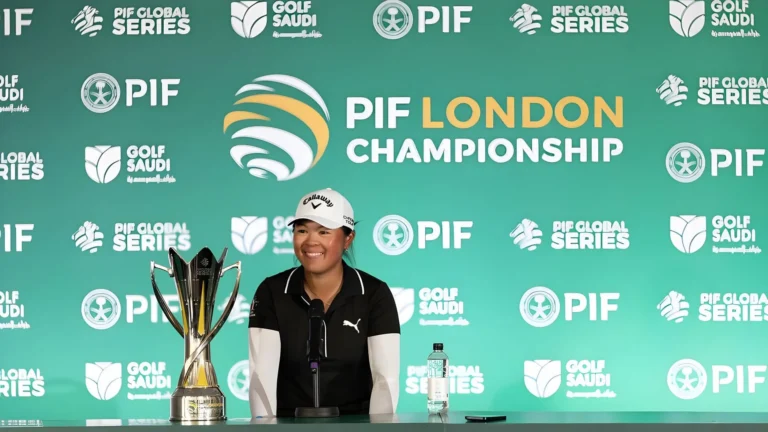
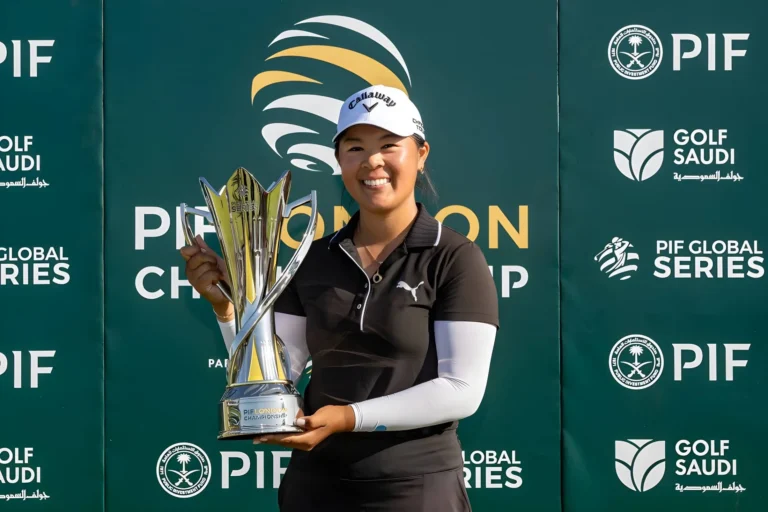
Centurion Club will welcome Charley Hull and a powerful international field for the PIF London Championship from 6–9 August, with the Ladies European Tour event offering a $2 million prize fund and a broader test of how seriously women’s professional golf intends to value its leading players.
Money naturally attracts attention. Two million dollars tends to do that. Yet the more important question is whether the tournament can provide the competitive environment, facilities and atmosphere expected of an event carrying such financial weight.
The stated ambition is not merely to stage another well-funded week of golf. It is to establish a standard others may feel compelled to follow.
Charley Hull Gives London Its Home Favourite
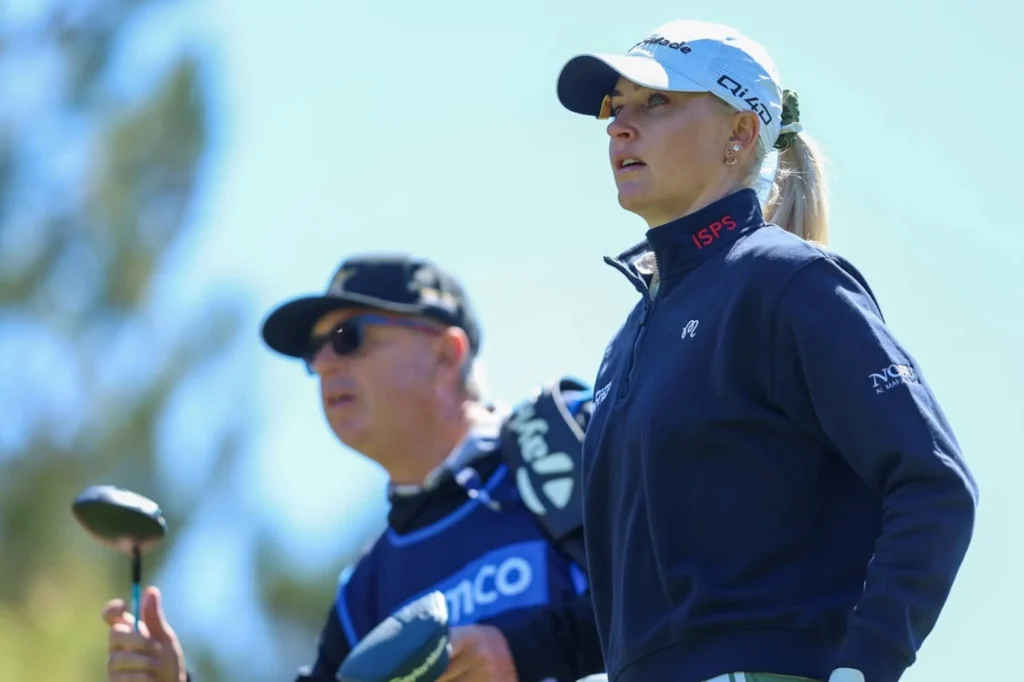
Hull’s presence supplies the tournament with its most obvious domestic attraction. She is not simply a familiar English name placed near the top of a promotional poster. She is the player many home spectators will arrive specifically to see.
Her golf has always carried a certain urgency. There is little visible appetite for delay, ceremony or unnecessary inspection of the scenery. That directness has helped make her one of the sport’s most recognisable personalities, while her profile beyond the ropes gives the championship a valuable focal point.
For Hull, however, the appeal of returning to England remains distinctly personal.
“I always love competing on home soil,” Hull says. “The home crowds are extra supportive. I love knowing that my family and friends are able to come out to watch. This event has established itself as one of the best events we have in Europe, and you can always be assured of a strong field to play against.”
That combination matters. A home favourite can bring people through the gates, but a credible field is needed to keep them interested once the opening introductions are complete.
A Field With Enough Strength to Create Trouble
Hull will be joined by major champion Patty Tavatanakit and Anne van Dam, whose power provides its own form of spectator entertainment.
Alison Lee, Olivia Cowan, Annabell Fuller and Marianne Skarpnord are also included in the field. It is a varied collection of international talent rather than a tournament built around one recognisable player and several lines of optimistic supporting text.
Tavatanakit brings major-winning pedigree. Van Dam offers the prospect of aggressive golf and considerable distance. Lee, Cowan, Fuller and Skarpnord add further depth to a field that should ensure Hull’s homecoming is competitive rather than ceremonial.
For the PIF London Championship, that strength is essential. A large purse can raise expectations instantly, but only the golf can justify them.
The $2 Million Question
The PIF London Championship forms part of the wider PIF Global Series, sanctioned by the Ladies European Tour. Its central proposition is that elite players should encounter elite conditions: reliable facilities, efficient tournament operations and fewer of the logistical compromises that can distract from competition.
These details may sound unglamorous. They are also the details professionals notice immediately.
“It’s good to know that we have great facilities available to us during the week so we can get everything we need in one place,” Hull notes. “From the minute we turn up, it feels like a top-tier event.”
That observation carries more substance than the usual praise for immaculate greens and pleasant hospitality. Tournament quality is shaped long before a player reaches the first tee.
Practice facilities, preparation areas and dependable player services affect how athletes train, recover and perform. When they are handled properly, nobody outside the ropes gives them much thought. When they are handled badly, everyone soon hears about it.
The PIF Global Series is therefore attempting to make professionalisation part of the competitive product rather than a convenient slogan attached to it.
A Tournament Trying to Build Beyond Four Days
The organisers are also positioning the series as something broader than a collection of leaderboards and prize cheques.
Youth engagement clinics are intended to connect the tournaments with the next generation of golfers. Environmental work conducted through the LET Sustainability Initiative, known as LETSI, includes an ambition to move tournaments towards climate neutrality.
Such programmes are easy to announce and harder to sustain. Their credibility will depend on transparent delivery, measurable progress and continued investment once the television cameras have been packed away.
Even so, the effort to connect elite competition with participation and environmental responsibility is significant. Modern sporting events are increasingly judged by the experience they create outside the field of play as well as the result they produce within it.
A successful tournament should leave behind more than divots, temporary signage and a champion holding silverware.
Centurion Club Faces the Right Kind of Pressure
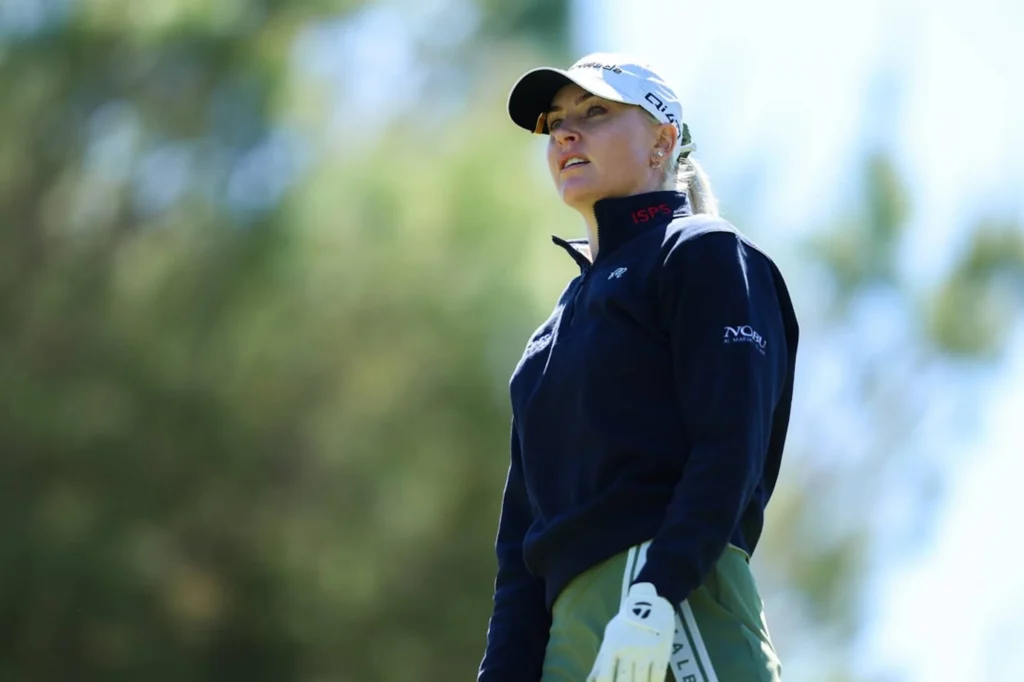
The atmosphere at Centurion Club will inevitably be shaped by Hull’s return, the international field and the size of the purse. The longer-term judgement will be shaped by whether the tournament delivers on its larger promise.
Women’s golf does not lack compelling players. It has frequently lacked consistency in the platforms built around them.
The PIF London Championship is presenting itself as part of the remedy: substantial prize money, strong playing conditions, international talent and a recognisable home star. Those elements give the tournament a chance to become more than an isolated date on the schedule.
From 6–9 August, the scorecard will still matter most. Golf remains stubbornly attached to the principle that somebody must eventually hole the final putt.
But at Centurion Club, the greater contest concerns standards, ambition and whether one lavish week in London can help shift expectations for every week that follows.