 Andy Devaney
TaylorMade SYSTM2 putters arrive as a serious play in the premium milled category, and they do so without the usual marketing fireworks and smoke bombs. This is a seven-model family of blades and mallets built to offer something golfers rarely get in one tidy package: soft feel, predictable roll, sensible alignment and enough stroke-fit options to stop the average pro shop conversation turning into amateur theatre.
Available from trusted retail outlets on March 26, the line is priced at £219 in the UK, which places it in that interesting corner of the market where golfers want premium looks and engineering without wandering into wallet-hostile collector territory. In other words, TaylorMade is trying to serve filet steak at a burger price.
A premium milled range with a practical streak
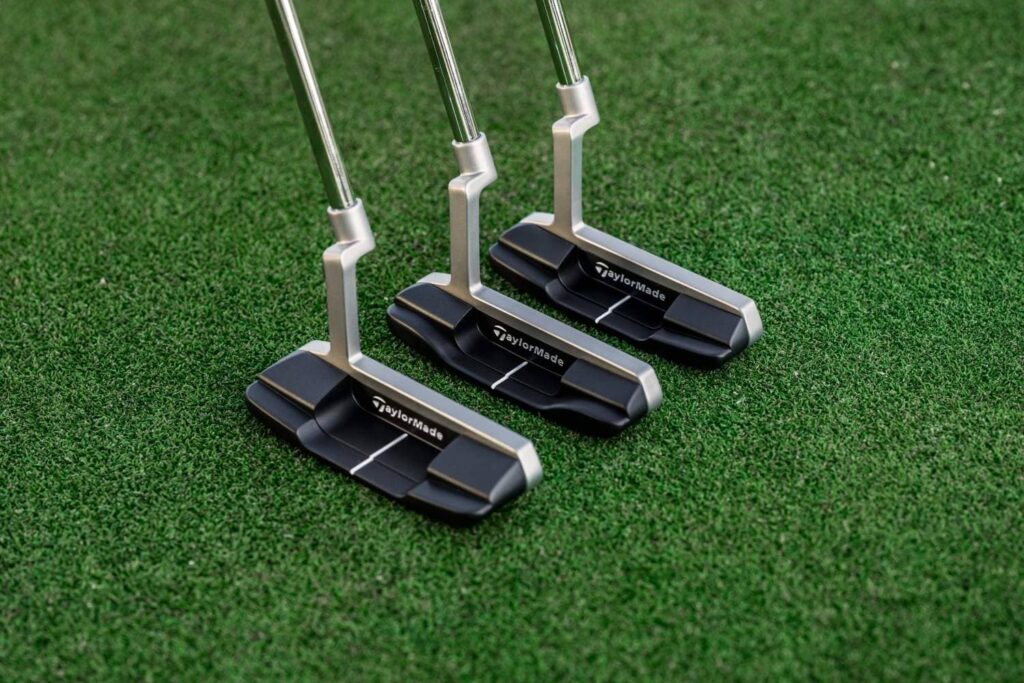
There is a nice restraint to the whole thing. TaylorMade has not tried to reinvent putting or claim the moon is now square. Instead, SYSTM2 leans on quality shaping, precision milling and stroke-specific fitting options.
That matters, because putters are deeply personal things. One golfer wants a compact blade that looks like it should come with a handshake and a club tie. Another wants a wider footprint and a bit more help when the hands begin behaving like startled pigeons. TaylorMade seems to have understood that.
The range covers three blade profiles and two mid-mallet shapes, with hosel choices that match either an arcing stroke or a straighter, more face-stable motion. That is not gimmickry. That is simply good product planning.
“SYSTM2 represents our commitment to delivering putters that perform at the highest level while showcasing the craftsmanship and precision that define TaylorMade’s world-class performance equipment.
By crafting each head from soft 304 stainless steel with precision milled faces and our signature two-tone finish, we’ve created a complete system for every golfer. Whether a player prefers a compact blade, needs the forgiveness of our wide-body Del Monte, or wants a traditional mid-mallet, SYSTM2 ensures that golfers can find the perfect putter to match their stroke.”
Andrew Oldknow, Director of Product Creation, Putters
First impressions: clean, sharp and nicely grown-up
The first thing TaylorMade SYSTM2 putters appear to get right is the look at address. The two-tone finish is not there merely to win admiring nods in the shop mirror. The satin scratch silver front and black PVD back create a crisp visual break, which should help golfers frame the ball and aim the face with less fuss.
That visual clarity matters more than many golfers admit. A putter can have all the engineering in the world, but if it looks awkward behind the ball, trust evaporates faster than a three-putt excuse.
The aesthetic sits in a smart middle ground. It is premium without being fussy, modern without looking like it was designed by a submarine engineer, and traditional enough to appeal to golfers who still believe a proper putter ought to look as though it belongs on a proper golf course.
What the face milling should mean in the real world
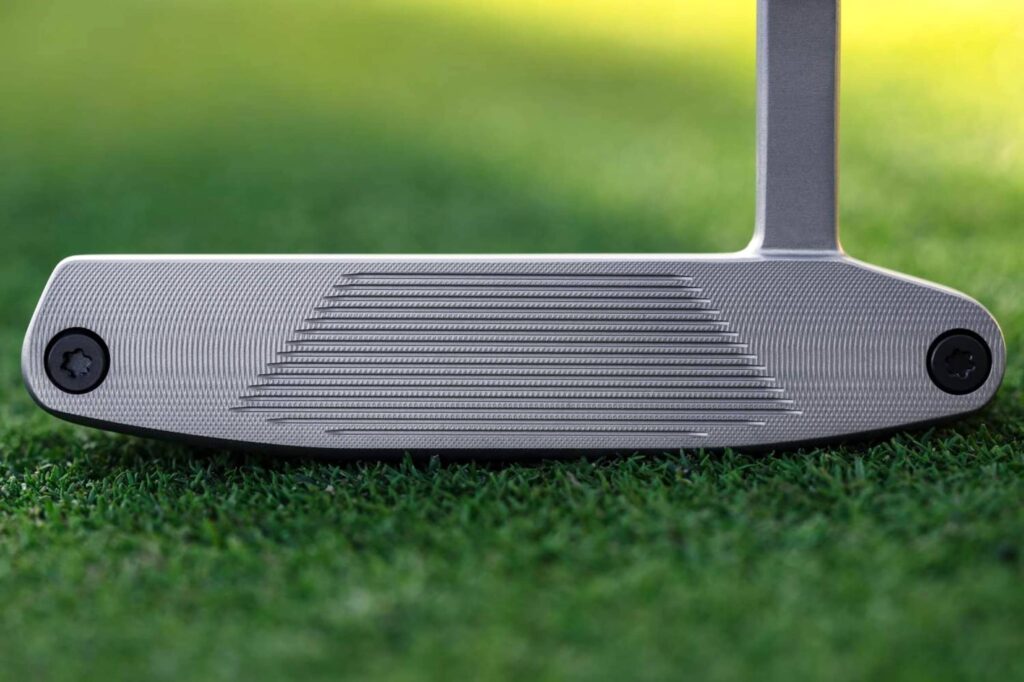
At the centre of the range is a precision milled face that is fly-cut and then grooved with a saw-cutter to a specific depth. In plain English, TaylorMade is chasing consistency of feel and consistency of roll.
That is the important bit. Golfers do not buy face technology because it sounds clever. They buy it because they want the ball to come off the face with the same response time after time, especially on those putts where tempo and distance control make the difference between a tap-in and the kind of comebacker that can ruin a pleasant walk.
A well-milled face should help produce a more predictable launch and more stable roll, particularly on medium-length putts where strike quality and pace control need to work together. That is where TaylorMade SYSTM2 putters are positioning themselves: not as magic wands, but as tools designed to reduce variation.
Stability, forgiveness and why the construction matters
TaylorMade says SYSTM2 uses Metal Injection Molding to redistribute mass away from behind the face and toward the toe and heel. That is the sort of sentence that can send eyes rolling backwards, but the performance intention is simple enough: more stability at impact and less punishment on off-centre strikes.
For golfers, that translates to better speed retention and improved directional control when the strike drifts a little toward the heel or toe. No putter turns bad contact into genius, but extra stability can stop a slight mistake becoming a muttered obscenity.
This is especially relevant in the Del Monte wide-body blade and the mid-mallet shapes, where higher MOI and deeper weighting tend to help golfers who want the look of something refined without sacrificing forgiveness.
Soft 304 stainless steel and the feel question
TaylorMade has gone with soft 304 stainless steel, which is a smart call in a category where feel is half the sales pitch and three-quarters of the player decision. Softer steel generally delivers a more muted, responsive sensation at impact, and that tends to help golfers judge pace with a bit more confidence.
Feel is subjective, of course. One golfer calls it buttery; another says it feels dead; a third simply wants the ball to behave. But the logic is sound. If the head material and face milling work together properly, golfers should get clearer feedback on strike quality and a smoother sense of distance control.
That is particularly appealing to better players and confident putters, but it is not reserved for low handicaps. Mid-handicappers often benefit most from a putter that tells the truth without feeling harsh.
Blade or mallet? TaylorMade has covered the lot
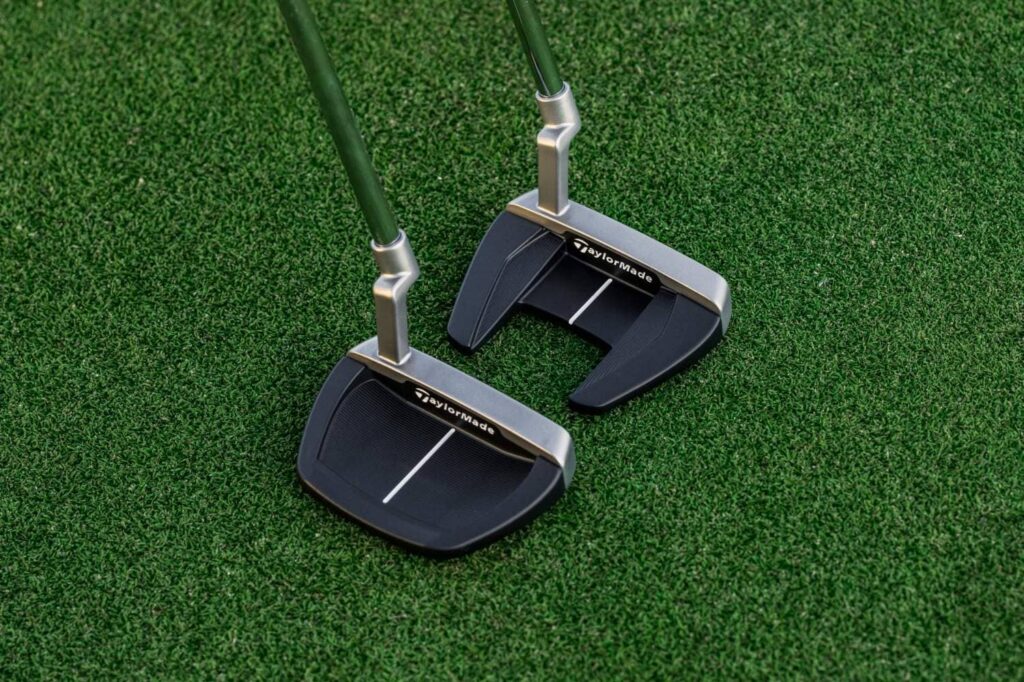
The blade family includes the Soto, Juno and Del Monte, each with its own visual personality.
The Soto leans softer and more rounded. The Juno is squarer and more angular. The Del Monte is the wide-body option, designed to add forgiveness and stability through a deeper centre of gravity and higher MOI.
That gives golfers a meaningful visual spread rather than three heads that look like cousins at a wedding.
On the mallet side, the Bandon and Ardmore sit in the traditional mid-mallet camp, which should suit players who want a touch more stability without going full spaceship. That is a sensible lane to occupy. Plenty of golfers want help, but they do not necessarily want to look down at something resembling a kitchen appliance.
Hosel options and the right stroke fit
This may be one of the strongest parts of the SYSTM2 story. TaylorMade has built the line around hosel options that align with different stroke shapes.
The L-Neck and Short Curve configurations offer varying degrees of toe hang, which suits golfers who naturally arc the putter and release the head through impact. The single bend options are face-balanced, making them more suitable for players with a straighter-back, straighter-through motion.
That is proper fitting logic, and it should not be overlooked. Too many golfers choose putters like they choose dessert: based on what looks nice in the moment. Matching toe hang or face balance to the stroke is one of the few genuinely sensible shortcuts to better putting.
Who are TaylorMade SYSTM2 putters best for?
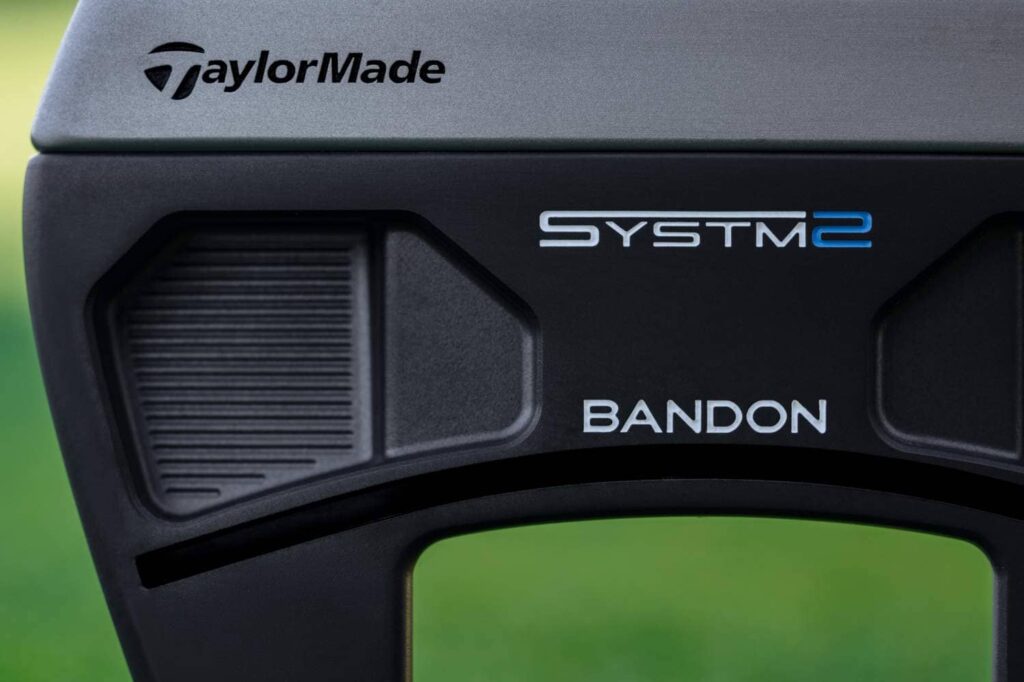
TaylorMade SYSTM2 putters should appeal to a broad range of golfers, but the sweet spot is probably the player who wants premium milled feel without paying the highest-end boutique premium.
Low handicappers will appreciate the shaping, face precision and cleaner feedback. Mid-handicappers should like the added choice, particularly the Del Monte, Bandon and Ardmore options, where stability and alignment become more forgiving companions. Golfers who care about fitting will also appreciate the hosel variety, because this line does more than offer cosmetic differences.
If you are the sort of golfer who likes a putter to feel soft, sit neatly behind the ball and actually suit your stroke, there is a fair chance one of these will catch your eye.
Strengths and weaknesses
The strengths are clear enough. TaylorMade SYSTM2 putters look refined, cover multiple head styles, offer proper hosel fitting options and appear to marry feel with stability rather well. The two-tone finish should also be a genuine alignment aid rather than decorative fluff.
The weakness, if there is one, is that this is not a radically distinctive concept. Golfers hunting for something wildly different or heavily tech-forward may find the line a little conservative. Others may also wish the face-balanced mallet options were available to left-handers, because the right-hand-only note on those single bend models leaves a small but noticeable gap.
Still, there is something to be said for conservative in a putter. Most golfers do not need a revolution on the greens. They need fewer surprises.
How it stacks up against rivals
In a market crowded with premium milled putters, TaylorMade SYSTM2 putters appear to take the sensible route. Some rivals lean heavily into heritage and compact blades. Others chase extreme MOI, futuristic shaping or insert-driven face technology. TaylorMade has split the difference.
That gives SYSTM2 a useful identity. It looks traditional enough for purists, modern enough for players who want performance cues, and broad enough in configuration to cover several stroke types. At this price, that balance may be its sharpest edge.
It is not trying to be the loudest putter in the room. It is trying to be one of the most usable.
The verdict
TaylorMade SYSTM2 putters look like a well-judged, intelligently built range for golfers who value feel, fit and dependable roll over gimmicks and drama. The shaping is clean, the engineering story makes sense, and the spread of blade and mallet options gives the line real shelf credibility.
The clever part is not one headline feature. It is the system itself. Different head shapes, multiple hosels, soft stainless steel, milled faces and alignment-conscious finishing all point in the same direction.
That direction is simple: make putting feel less complicated.
And frankly, on most club greens, that would count as a public service.