
 Andy Devaney
Getting someone interested in golf is one thing. Making it easy for them to come back, find a suitable tee time and feel part of the club is quite another.
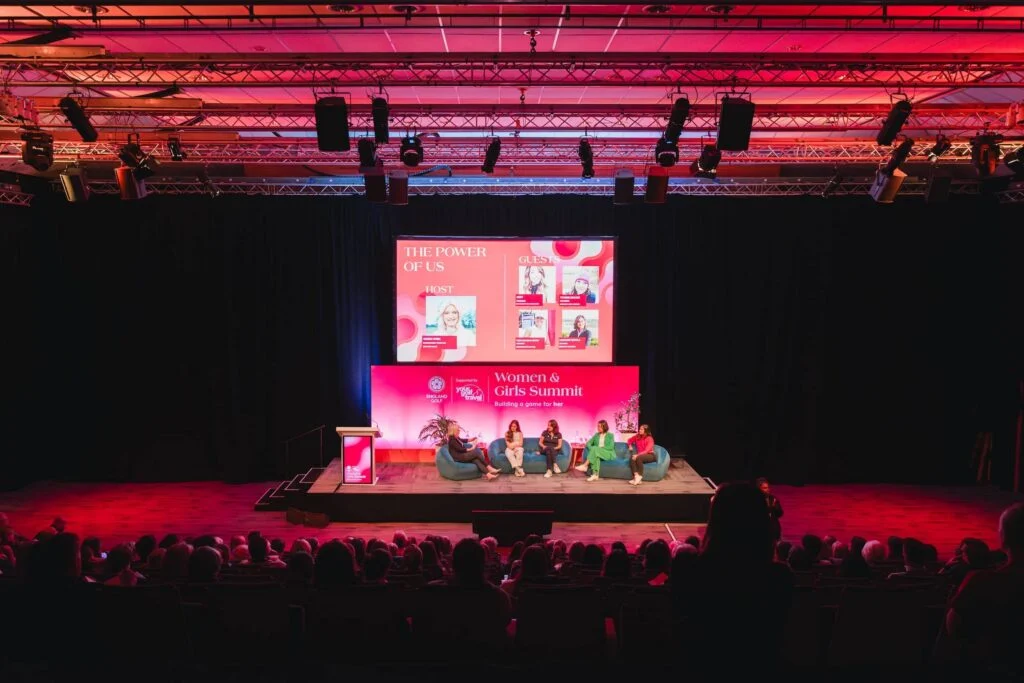
That distinction emerged as one of the most important themes at the inaugural England Golf Women & Girls Summit, held at the East Midlands Conference Centre on Friday 9 October.
More than 260 delegates attended the sold-out event, Building a Game for Her, sponsored by Your Golf Travel. Club representatives, volunteers, industry leaders and figures from other sports came together to consider how golf might become more accessible to women and girls.
The encouraging part is that so many people want to discuss the issue. The more demanding question is what happens when everybody returns to their own clubs.
The 18-hole round cannot be the only answer
Golf has spent generations organising itself around familiar structures. The traditional 18-hole round remains central to the sport, and rightly so. But expecting every prospective golfer to arrange their life around that format is a rather narrow approach to attracting new players.
At the summit, considerable attention was given to offering experiences that better reflect how women and girls want to participate.
Flexible playing opportunities, community involvement and a stronger sense of belonging featured prominently. The discussion also considered how clubs could make their facilities and playing arrangements more welcoming without expecting newcomers to fit neatly into existing traditions.
None of this requires abandoning established golf. It does suggest that clubs need to think more carefully about the difference between making participation possible and making it genuinely convenient.
An invitation to play is considerably less useful if the available opportunities do not fit around the rest of someone’s life.
Other sports have lessons worth hearing
One of the more interesting aspects of the England Golf Women & Girls Summit was its willingness to look beyond golf for answers.
The programme included contributions from people involved in football, cricket and tennis, with expertise from organisations including the England and Wales Cricket Board and the Lawn Tennis Association.
These sports have their own approaches to attracting and engaging female participants, providing golf with perspectives beyond the customary conversations inside the clubhouse.
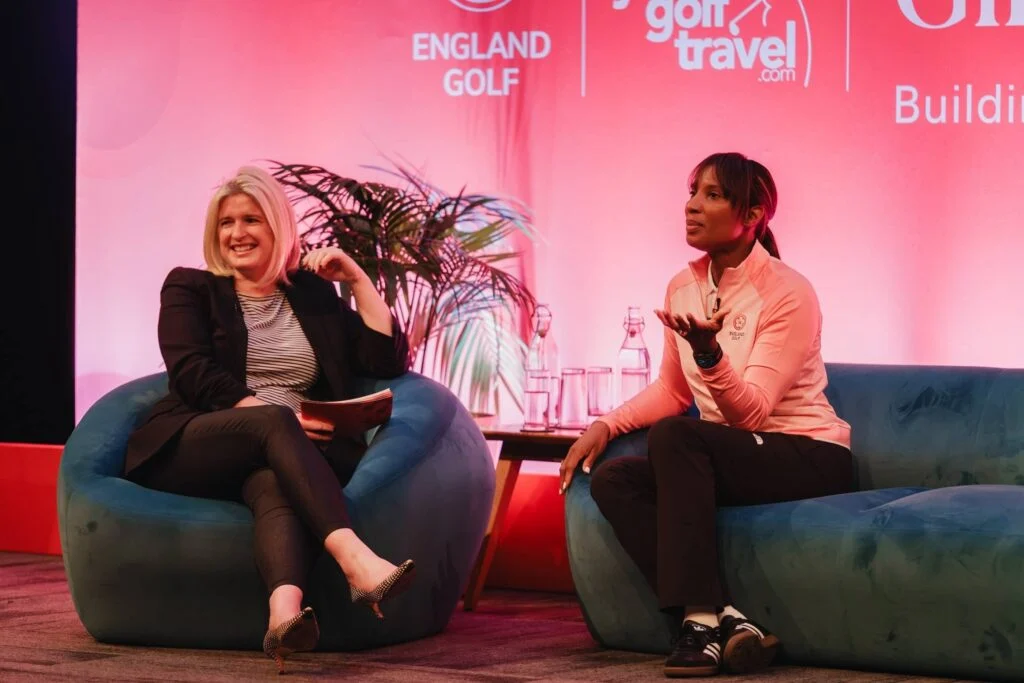
Sky Sports Golf presenter Sarah Stirk, who hosted the summit, saw particular value in that exchange.
“We all want to see more women and girls playing the game, and events like this help spark some really important conversations.
“I really enjoyed the opening panel discussing what sports such as football, cricket and tennis are doing to attract more women and girls. There were some excellent insights and valuable takeaways for golf.
“It’s about listening, inspiring and motivating, but it’s also about action. We want to see meaningful change. While we’re seeing growing interest in the sport from women and girls, the key question remains: what is the next step? How do we retain those golfers once they get involved? Hopefully today has started some conversations that will help us answer that.”
That question about retention deserves particular attention.
A successful introductory experience is encouraging. A player who continues participating months later is a rather more meaningful sign that a club has created something worthwhile.
Small changes could make clubs more welcoming
Dame Denise Lewis, an England Golf Game Changers Ambassador, brought a practical perspective to the discussion.
Her message centred on making manageable changes, listening to women and girls and recognising the value of community organisations already encouraging participation.
Among her suggestions were adapting tee times, increasing playing opportunities and making golf feel more approachable and enjoyable.
These are the sorts of decisions that individual clubs can consider without waiting for another nationwide initiative.
The summit also addressed an issue extending beyond participation figures: the number of opportunities for women to progress into leadership positions within golf.
That ambition is reflected in England Golf’s Women’s Leadership Programme. The connection between participation and representation is important. Creating more opportunities to play is one part of building a welcoming sporting environment; ensuring women have opportunities to influence that environment is another.
The real test begins back at the golf club
Emma Highwood, England Golf’s Head of Women’s Development, emphasised the importance of understanding what women and girls actually need from the sport.
Her central argument was that existing club structures should be prepared to adapt rather than expecting every new participant to accommodate them.
The summit builds on England Golf’s women and girls education workshops earlier this year and sits alongside its growth pilot programmes and wider participation initiatives.
Together, these provide avenues for developing ideas and learning from experiences. They do not, by themselves, establish that the participation and retention challenges have been solved.
More than 260 delegates attending a first summit is evidence of considerable interest in the discussion. Whether that interest translates into lasting change will depend on decisions made long after the conference centre has emptied.
Golf does not lack people who care about growing the women’s game. The next challenge is turning that enthusiasm into playing opportunities that women and girls actually want to keep using.
And that is something no conference attendance figure can measure.
Find out more about England Golf women’s initiatives by clicking the links below:
England Golf Strategy
Leadership Programme
Women in Golf Charter
Women on Par
Golf Fore Her
SafeGolf